Does Biotin Actually Work for Hair Growth? Here's What the Research Shows
Biotin only reliably grows hair if you're deficient — which is rare. Most people excrete the excess. Here's what the research actually shows and what works
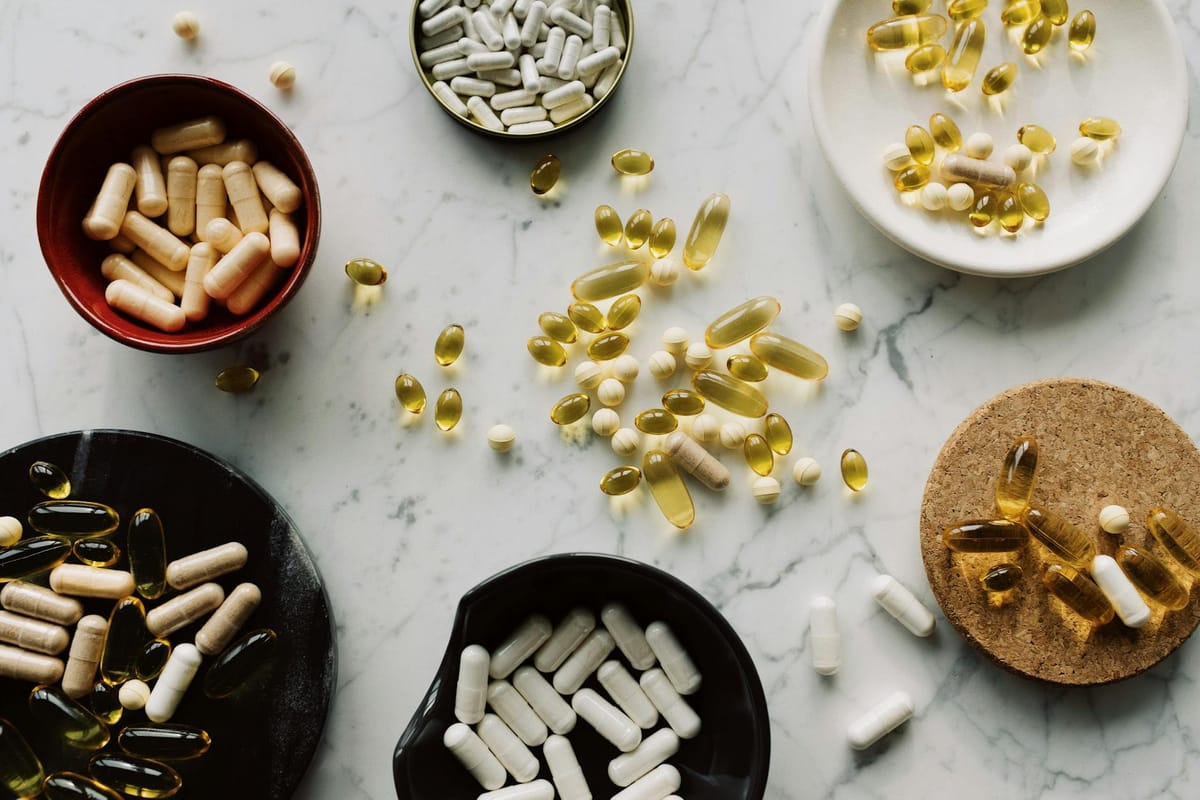
Does biotin work for hair growth? The honest answer: only if you're actually deficient in it — and genuine biotin deficiency is genuinely rare. A comprehensive review published in the National Library of Medicine found no proven efficacy for biotin supplementation in hair or nail growth among healthy individuals. If your diet includes eggs, meat, nuts, or dairy, you're almost certainly getting enough. The supplement industry has built a multi-hundred-million-dollar category on a gap between what biotin actually does and what people believe it does.
That doesn't mean biotin is useless. It means context matters enormously. This article walks through the clinical evidence, who genuinely benefits, what the right biotin dosage for hair growth looks like, how popular biotin supplement hair products compare, and what alternatives have stronger scientific backing. Whether you're dealing with postpartum shedding, pattern thinning, or just want longer strands faster, the answer changes depending on your situation.
Contents
- What Biotin Actually Does in Your Body
- Does Biotin Work for Hair Growth — What the Research Shows
- Who Actually Benefits from Biotin Supplementation
- Biotin Dosage for Hair Growth and What the Labels Won't Tell You
- Top Biotin Supplement Hair Products Compared
- The Lab Test Problem — A Serious Risk Most People Ignore
- What Actually Works for Hair Loss — Proven Alternatives
- Biotin Supplement Comparison at a Glance
- Watch This First — The Budget Dermatologist on Biotin
- What Real People Are Saying About Biotin for Hair
- Frequently Asked Questions About Biotin and Hair Growth
- Final Verdict — Should You Take Biotin for Hair Growth?
What Biotin Actually Does in Your Body
Biotin — also called vitamin B7 or vitamin H — is a water-soluble B vitamin that serves as a cofactor for five carboxylase enzymes involved in core metabolic functions. Those enzymes help your body break down fats, carbohydrates, and amino acids. Without adequate biotin, this cellular machinery breaks down entirely. That's not a minor inconvenience; it's a metabolic crisis. But the key word is "adequate," not "abundant."
Hair follicles, like every other living cell, depend on normal metabolism to function. Because biotin plays a role in metabolizing the proteins your hair is made of, the supplement industry took that mechanistic link and ran with it — concluding that more biotin must equal better, faster hair growth. That logic is flawed. Your carboxylase enzymes reach maximum activity with only tiny amounts of biotin. Once those needs are met — which a normal varied diet achieves — additional biotin has no further effect on enzyme performance. Flooding your system with extra biotin doesn't turbocharge your follicles. It gets filtered out by your kidneys and excreted.
Your body actually synthesizes some biotin on its own through gut bacteria, on top of what you get from food. Common dietary sources include egg yolks, salmon, beef liver, almonds, sweet potato, and sunflower seeds. Most Americans who eat a reasonably balanced diet get between 35 and 70 micrograms of biotin daily — already exceeding the recommended daily intake of 30 micrograms for adults. So the baseline question isn't "should I supplement?" It's "do I have any reason to believe I'm deficient?" For most people, the answer is no.
Understanding what biotin actually does — at a physiological level — is the foundation for evaluating every hair supplement claim you'll encounter. The vitamin is essential. The supplements, for most people, are not.
Does Biotin Work for Hair Growth — What the Research Shows
The clinical picture here is notably thin. The most frequently cited systematic review on biotin and hair loss — published in the journal Skin Appendage Disorders — examined 18 reported cases where biotin supplementation was associated with hair improvement. In every single case, the patient had an underlying cause of biotin deficiency. Not one demonstrated benefit in a healthy, non-deficient individual. That's a critical finding that often gets buried in supplement marketing copy.
According to Healthline's medical review, there is no strong evidence supporting biotin supplements or biotin-added topical products for promoting hair growth in people who aren't deficient. The mechanism sounds plausible on paper — biotin supports keratin infrastructure, and hair is made of keratin — but the reality is that adequate biotin is already sufficient to support that infrastructure in healthy people. Pushing it higher doesn't change the output.
UCLA Health's analysis is blunter: biotin supplements are popular, but there is no evidence they are necessary or beneficial for healthy individuals. The same conclusion emerges from Mayo Clinic's review: claims that biotin treats hair loss have not been proven. The American Society of Clinical Oncology's publication on biotin supplementation similarly notes that marketing often outpaces the science.
What about biotin for hair loss specifically — the androgenetic alopecia or telogen effluvium cases that send people to the supplement aisle in the first place? For androgenetic alopecia (male and female pattern hair loss), biotin is simply the wrong tool. That type of hair loss is driven by DHT sensitivity in follicles — a hormonal mechanism biotin has no effect on. For telogen effluvium — the kind of rapid shedding that follows stress, illness, or postpartum hormonal shifts — the underlying trigger matters more than any supplement. If nutritional deficiency is driving telogen effluvium, it's more likely to be iron or vitamin D than biotin.
The research consensus, across dermatology, nutrition, and clinical medicine: biotin works for hair when you're deficient. If you're not deficient — which most Americans aren't — it doesn't work. That's not pessimism. That's just how cofactor vitamins operate.
Who Actually Benefits from Biotin Supplementation
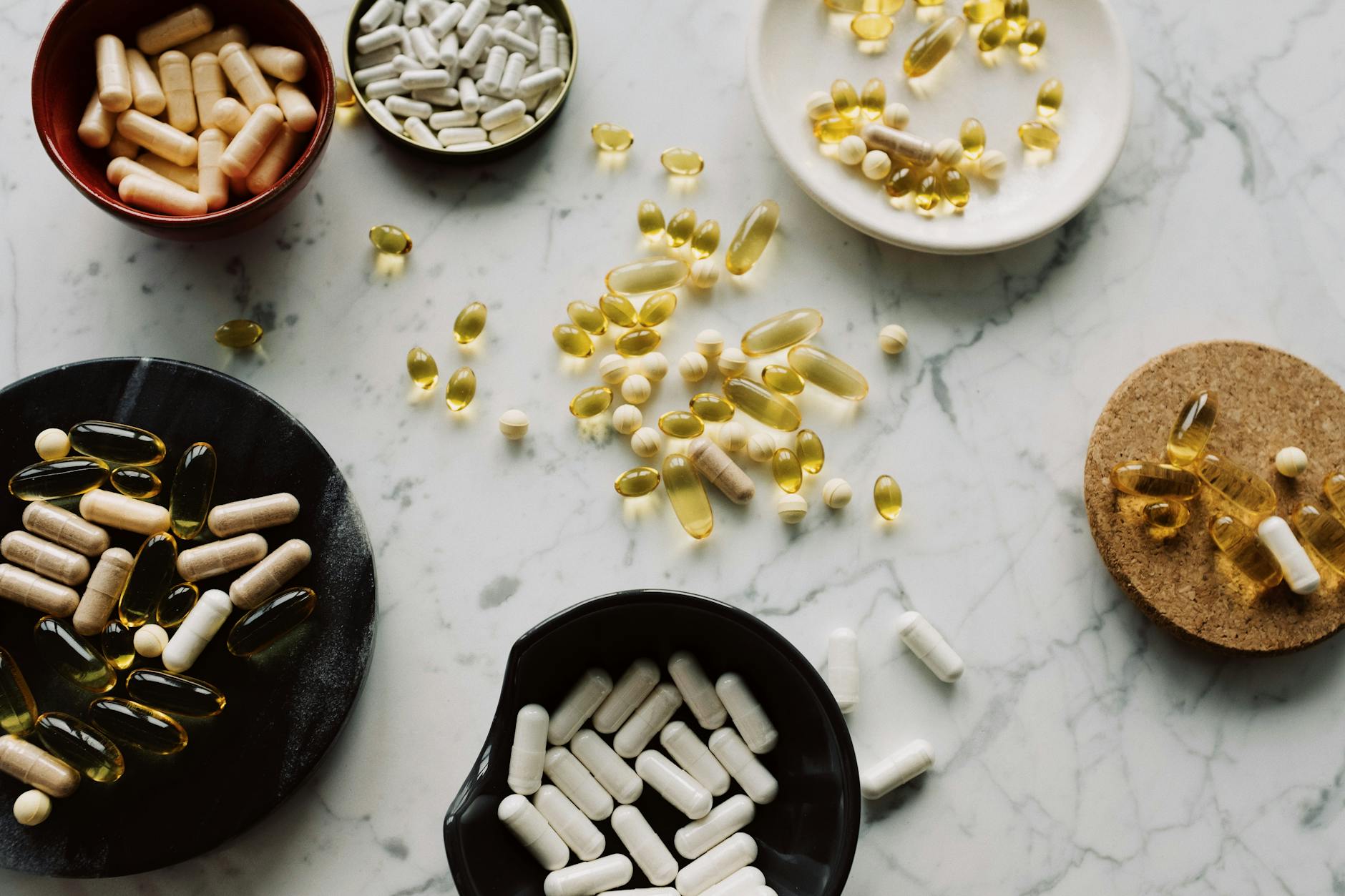
Genuine biotin deficiency is rare enough that many dermatologists rarely encounter it in clinical practice. But it does exist, and when it does, supplementation can be genuinely transformative. The people most at risk fall into a few specific categories.
People with biotinidase deficiency. This is a rare inherited condition where the body can't recycle biotin properly. Without supplementation, affected individuals experience severe hair loss, skin rashes, and neurological symptoms. This is a medical diagnosis, not something self-diagnosed based on thinning edges.
Heavy raw egg white consumers. Raw egg whites contain avidin, a protein that binds to biotin in the digestive tract and blocks its absorption. This isn't a theoretical risk — it's been documented in people who regularly consume large amounts of raw egg whites as part of high-protein dietary regimens. Cooking destroys avidin, so cooked eggs are fine and actually an excellent source of biotin.
People taking certain long-term medications. Some anticonvulsant medications, like valproic acid and carbamazepine, can deplete biotin over time. Long-term antibiotic use may also disrupt the gut bacteria that produce biotin. If you're in either category, ask your prescribing physician whether biotin monitoring or supplementation makes sense.
People with Crohn's disease or other malabsorption conditions. Inflammatory bowel conditions that affect nutrient absorption throughout the gut can compromise biotin uptake. Again, this is something managed with medical oversight, not self-supplementation.
If you fall into none of these categories — and statistically, most readers won't — biotin supplementation for hair loss is unlikely to do anything beyond emptying your wallet. The symptoms of actual deficiency are hard to miss: severe facial rash, widespread hair loss, neurological symptoms. If you had them, you'd know.
One important nuance: some research suggests that women who are pregnant or breastfeeding may have slightly elevated biotin needs, and marginal depletion during pregnancy is more common than previously thought. Cleveland Clinic notes that for alopecia cases specifically, a physician might recommend biotin as part of a broader nutritional evaluation — but that's very different from taking 10,000 mcg gummies bought off an Instagram ad.
Biotin Dosage for Hair Growth and What the Labels Won't Tell You
Walk into any pharmacy or scroll any supplement site and you'll see biotin sold in doses ranging from 1,000 mcg to 10,000 mcg per serving. Some brands even push 20,000 mcg. Compare that to the actual recommended daily intake: 30 micrograms for adults. The standard high-dose supplement contains between 125 and 330 times what your body actually needs. That disparity is worth sitting with for a moment.
Why do companies sell such enormous doses? Several reasons, none of them particularly scientific. First, because biotin is water-soluble and considered safe at high doses — there's no established upper tolerable limit because excess simply gets excreted. Second, because higher numbers on the label feel more impressive and justify premium pricing. Third, because without a meaningful difference in hair outcomes between doses, the only thing that differentiates products is the number itself.
The standard biotin dosage hair growth studies have used — in the rare cases where supplementation did help deficient individuals — tends to be in the range of 2,500 to 5,000 mcg. But the question of whether more is better doesn't really apply here: if deficiency is the problem, any amount that restores normal biotin status works. If you're not deficient, no amount makes a difference.
For context, a single cooked egg yolk provides approximately 10 mcg of biotin. Three ounces of beef liver delivers around 30 mcg — nearly a full day's requirement in one serving. Almonds, sunflower seeds, sweet potato, salmon — all meaningful contributors. If your diet includes these foods with any regularity, you're covering your baseline without spending a dollar on supplements.
If you do decide to take a biotin supplement — whether because a physician recommended it or because you've ruled out deficiency and still want to try it — the practical advice is to skip the mega-doses. A supplement in the 1,000 to 2,500 mcg range is more than sufficient to address any marginal shortfall, and it reduces your risk of interfering with lab tests (more on that in a later section). Taking more doesn't give you better results. It just gives you more expensive urine.
Top Biotin Supplement Hair Products Compared
Below are six of the most popular biotin supplement hair products on the market. Each is evaluated on dose, ingredients, price tier, and who it's actually suited for. Note that none of these have been independently proven to grow hair in non-deficient users — but if you're going to buy one anyway, here's how they stack up.
Nature's Bounty Biotin 10,000 mcg
Nature's Bounty Biotin 10,000 mcg is the classic drugstore pick — it's been in the hair supplement conversation for decades and remains one of the best-selling options at mass retailers. The dose is 10,000 mcg per softgel, which is far more than any physiological need, but it's also priced at the drugstore tier (typically under $15 for a 120-count bottle), making it accessible.
Key ingredients: Biotin (as d-Biotin), soybean oil, gelatin, glycerin. No added vitamin blends or proprietary complexes — just biotin in a simple softgel delivery format. Price range: Drugstore ($10–$15). Skin type suitability: N/A (oral supplement). Cruelty-free/vegan status: Not vegan — softgel contains gelatin. Cruelty-free status: verify on brand site. Standout feature: Most widely available biotin supplement in US retail — found at CVS, Walgreens, Walmart, and Target. Good for anyone who wants a low-cost entry point without committing to a subscription model.
Who it's for: People who've received physician guidance to try biotin, want the lowest-cost option, or are adding it to an existing supplement routine without overthinking it. Not ideal for vegans or anyone with a soy sensitivity.
Sports Research Biotin with Coconut Oil 5,000 mcg
Sports Research Biotin 5,000 mcg differentiates itself by suspending biotin in organic coconut oil, which theoretically improves absorption of this fat-soluble delivery format. It comes in a softgel at the mid-range price tier — typically $15–$25 for 120 softgels.
Key ingredients: Biotin 5,000 mcg, organic coconut oil, gelatin softgel. Price range: Mid-range ($15–$25). Cruelty-free/vegan status: Not vegan (gelatin). Cruelty-free: verify on brand site. Standout feature: The coconut oil base distinguishes this from plain biotin softgels — it's a genuinely different delivery mechanism, not just marketing copy. The 5,000 mcg dose is also more moderate than mega-dose competitors, which reduces lab interference risk somewhat.
Who it's for: People who want a biotin supplement with slightly more thoughtful formulation and don't mind paying a modest premium. The coconut oil base appeals to wellness-forward consumers who are already familiar with fat-soluble nutrient absorption concepts.
Natrol Biotin 10,000 mcg Strawberry Gummies
Natrol Biotin gummies are among the most popular formats for biotin supplementation in the US — largely because the delivery is enjoyable and they don't require water. Gummies in the 10,000 mcg range have become the dominant format in the Instagram-driven supplement market.
Key ingredients: Biotin 10,000 mcg, glucose syrup, sugar, water, gelatin, citric acid, natural strawberry flavor. Price range: Drugstore ($12–$18). Cruelty-free/vegan status: Not vegan (gelatin, sugar). Cruelty-free: verify on brand site. Standout feature: Gummy format with genuine mass-market appeal — this is the most approachable entry point for people who struggle to swallow pills. Also available at essentially every major US retailer.
Who it's for: Anyone who finds traditional supplements difficult to swallow, wants a lower-commitment routine, or is supplementing as a precaution rather than for a diagnosed condition. Worth noting: the sugar and glucose syrup content means these aren't ideal for diabetic or low-sugar diets.
Vital Proteins Collagen Peptides with Biotin
Vital Proteins Collagen Peptides with Biotin takes a different approach — combining biotin with collagen peptides and hyaluronic acid in a powder format that mixes into coffee, smoothies, or water. This is the luxury-tier option, priced at $30–$50 for a 10-ounce canister.
Key ingredients: Bovine collagen peptides (Types I and III), hyaluronic acid, biotin 15 mcg per serving, vitamin C. Price range: Luxury ($30–$50). Cruelty-free/vegan status: Not vegan (bovine collagen). Cruelty-free: verify on brand site. Standout feature: The only pick here that stacks biotin with collagen peptides and hyaluronic acid — targeting hair, skin, and joint health simultaneously rather than positioning as a standalone hair fix. The biotin dose is intentionally moderate (15 mcg), which is actually more scientifically defensible.
Who it's for: People already spending on collagen supplements who want biotin included without adding another product to their routine. The powder format suits people who prefer functional food additions over pills. Not the choice if biotin is your primary goal — the dose is low.
Physician's Choice Hair, Skin and Nails with Biotin
Physician's Choice Hair, Skin and Nails is a mid-range capsule-format supplement that combines biotin (5,000 mcg) with a broader nutrient complex including vitamins A, C, D, E, B12, zinc, selenium, and keratin. This broader formulation reflects a more defensible approach: acknowledging that hair health is multi-factorial.
Key ingredients: Biotin 5,000 mcg, hydrolyzed keratin, vitamins A, C, D, E, B12, folate, zinc, selenium, bamboo extract. Price range: Mid-range ($20–$30). Cruelty-free/vegan status: Verify on brand site. Standout feature: The only pick with hydrolyzed keratin included alongside biotin — addressing keratin infrastructure from two angles simultaneously. The zinc and selenium inclusion is particularly relevant because both are more commonly deficient in the US population than biotin.
Who it's for: People who suspect their hair health may be compromised by multiple nutritional gaps, not just biotin. This is the most comprehensive formulation in the comparison and arguably the most scientifically grounded multi-ingredient hair supplement on this list.
Product claims are based on manufacturer-provided data and published studies where available. Always patch-test new products and consult a dermatologist if you have sensitive or reactive skin.
NOW Foods Biotin 1,000 mcg
NOW Foods Biotin 1,000 mcg is the low-dose outlier in this comparison — and arguably the most scientifically rational choice. At 1,000 mcg, it provides a meaningful buffer above the recommended daily intake without the excessive mega-dosing that characterizes most competitors. It's also vegan-friendly, using a capsule rather than gelatin softgel.
Key ingredients: Biotin 1,000 mcg, cellulose capsule, rice flour. Price range: Drugstore ($8–$12). Cruelty-free/vegan status: Vegan-friendly capsule format. NOW Foods is generally considered cruelty-free — verify on brand site. Standout feature: Only vegan option on this list, and the only pick with a truly conservative dose that minimizes lab test interference risk. It's also the most affordable option per serving.
Who it's for: Vegans, people with concerns about lab test interference, or anyone who wants a precautionary biotin supplement without going overboard on dosage. Also ideal for anyone already getting biotin from a multivitamin who just wants a modest additional amount.
| Product | Dose | Price Tier | Format | Vegan | Best For |
|---|---|---|---|---|---|
| Nature's Bounty Biotin 10,000 mcg | 10,000 mcg | Drugstore | Softgel | No | Budget shoppers, widest availability |
| Sports Research Biotin + Coconut Oil | 5,000 mcg | Mid-range | Softgel | No | Absorption-focused buyers |
| Natrol Biotin Strawberry Gummies | 10,000 mcg | Drugstore | Gummy | No | Pill-averse supplement takers |
| Vital Proteins Collagen + Biotin | 15 mcg | Luxury | Powder | No | Collagen + hair combo seekers |
| Physician's Choice Hair, Skin and Nails | 5,000 mcg | Mid-range | Capsule | Verify | Multi-nutrient hair support |
| NOW Foods Biotin 1,000 mcg | 1,000 mcg | Drugstore | Capsule | Yes | Vegans, lab-test-conscious buyers |
The Lab Test Problem — A Serious Risk Most People Ignore
This section deserves its own H2 because it's the most clinically significant risk associated with biotin supplementation — and most people taking these products have no idea it exists.
High-dose biotin interferes with a wide range of common blood tests. The mechanism is technical but the consequences are serious: biotin competes with the assay chemistry used in many immunoassay-based lab tests, producing falsely elevated or falsely depressed results. The FDA has issued formal warnings about this issue. The affected tests include thyroid function panels (TSH, T3, T4), troponin tests used to diagnose heart attacks, hormone panels including parathyroid hormone and prolactin, prostate-specific antigen (PSA), and heart failure biomarkers like BNP.
The practical danger: someone taking high-dose biotin gets a TSH result that looks like hyperthyroidism when their thyroid is actually fine. Their physician prescribes unnecessary medication or orders invasive follow-up testing. In more acute scenarios — say, someone presenting to an emergency room with chest pain while taking biotin — troponin interference could cloud a heart attack diagnosis. The FDA has linked at least one patient death to biotin-related troponin interference, though the exact circumstances were complex.
Critically, this interference can persist for several days after your last dose. Industry professionals recommend stopping biotin supplementation for at least two to seven days before any blood draw, depending on the dose you've been taking. If you're taking biotin at all, your physician needs to know before ordering labs — and unfortunately, many patients don't mention over-the-counter supplements during appointments.
The interference risk is dose-dependent. At low doses like 1,000 mcg, the risk is lower but not zero. At 10,000 mcg daily — which is standard for many popular supplements — interference is a real and documented concern. This risk alone is a compelling argument for either skipping high-dose biotin supplementation altogether or at minimum keeping your doctor informed.
What Actually Works for Hair Loss — Proven Alternatives

If biotin isn't the answer for most people, what is? The good news: there are genuinely effective interventions for hair loss, with varying levels of evidence depending on the underlying cause.
Minoxidil. For androgenetic alopecia — the most common form of hair loss in both men and women — minoxidil has decades of clinical evidence and FDA approval behind it. Available over the counter in 2% and 5% topical solutions and foam, as well as low-dose oral formulations, minoxidil extends the growth phase of the hair cycle and has measurable effects on hair density. This is the most evidence-based first-line option for pattern hair loss.
Iron and ferritin levels. Iron deficiency is dramatically more common in women experiencing hair loss than biotin deficiency, and it's one of the most frequently overlooked contributors to telogen effluvium. A simple serum ferritin test — ask for it specifically, since standard iron panels often miss it — can identify this. Many dermatologists target a ferritin level above 70 ng/mL for optimal hair health, even if the standard "normal" range is lower.
Vitamin D. Low vitamin D has been associated with alopecia areata and telogen effluvium. It's also one of the most common deficiencies in the American population, particularly in northern states and among people who spend limited time outdoors. A blood test can confirm your level, and correction is straightforward.
Finasteride and dutasteride. For male pattern hair loss specifically, these prescription DHT-blocking medications are among the most effective available options — significantly more effective than any supplement. Finasteride is FDA-approved; dutasteride is used off-label. Both require a physician's involvement, which is appropriate given the hormonal mechanism.
Platelet-rich plasma (PRP) therapy. Emerging evidence supports PRP as a treatment for androgenetic alopecia, delivered as a series of scalp injections in a dermatologist's office. It's not cheap and not yet as comprehensively studied as minoxidil, but it's a legitimate clinical option with real data behind it.
A balanced diet rich in protein. Hair is made of protein. Severe caloric restriction or inadequate protein intake — common in aggressive dieting — can trigger diffuse shedding. Prioritizing protein intake (a minimum of 0.8 grams per kilogram of body weight, more if active) and overall nutritional adequacy addresses the actual root cause for diet-related hair loss better than any single supplement.
Biotin Supplement Comparison at a Glance
Watch This First — The Budget Dermatologist on Biotin
Watch: the Budget Dermatologist YouTube channel on the biotin and hair growth truth →
According to the Budget Dermatologist YouTube channel, a detail that most biotin coverage glosses over is the dosage math: the recommended daily intake for adults is just 30 to 40 micrograms, yet the standard supplement contains 5,000 to 10,000 mcg — translating to 125 to 330 times the actual requirement. That's not a therapeutic dose. It's the supplement equivalent of putting ten times the required oil in your car engine and expecting better performance. The body simply excretes the excess. The channel also emphasizes that most people already hit or exceed the daily requirement through diet alone, before they ever open a supplement bottle.
One particularly actionable point from that content: if you're already taking biotin — even a low-dose version — you must disclose this to your doctor before any blood work. The interference window extends several days past your last dose, meaning stopping biotin the morning of a blood draw isn't sufficient. Giving yourself a full week off high-dose supplementation before labs is the more conservative and prudent approach.
What Real People Are Saying About Biotin for Hair
Reddit community experiences with biotin are fascinatingly split — and that split actually maps pretty well onto what the research predicts. Users who report noticeable results tend to be those who, knowingly or not, were likely starting from a nutritional gap. Users who see nothing are probably those who were already replete.
In r/Haircare, one frequently upvoted response captured it plainly: biotin technically works over time if taken in pill form, but the difference most people actually notice is minimal at best. Several commenters echoed this — consistent supplementation, some modest difference, nothing dramatic enough to photograph.
Over in r/longhair, users who did report results consistently mentioned needing at least three months before any change was visible. That timeline tracks — hair grows roughly half an inch per month, so even meaningful improvements in growth rate wouldn't show up in before-and-after photos taken weeks apart. Patience, multiple users noted, is non-negotiable with any hair supplement.
The more skeptical perspective came through in r/finehair, where users cited dermatologists they follow who consistently say biotin shows better evidence for nail growth than hair growth — and that the most impactful thing for fine hair is often addressing iron levels rather than chasing vitamin B7. That perspective aligns closely with the clinical literature. One user in r/AskWomen noted that hair growth appeared to slow again after stopping biotin — which could reflect a returning deficiency in someone who genuinely needed it, or simply confirmation bias and the natural variability of hair growth cycles.
The most honest summary from community discussions: biotin isn't a miracle, it isn't useless, and the people it helps most are probably the ones who needed it for reasons they may not have fully identified. For everyone else, the bigger wins come from sleep, protein intake, stress management, and getting iron and vitamin D checked.
Frequently Asked Questions About Biotin and Hair Growth
Does taking biotin pills actually help hair growth in people without a deficiency?
No — there is no clinical trial evidence showing that biotin supplements improve hair growth in healthy individuals who aren't biotin deficient. Every documented case in the medical literature where biotin supplementation improved hair involved an underlying deficiency or condition affecting biotin metabolism. If your diet is reasonably balanced, you're almost certainly meeting your daily biotin requirement already.
How long does it take to see results from biotin supplements for hair growth?
If you are genuinely deficient and begin supplementing, you might notice changes in hair texture or reduced shedding within four to eight weeks. Visible length changes take longer — hair grows roughly half an inch per month, so a meaningful difference in length requires at least three to six months of consistency. For non-deficient individuals, waiting three months and seeing no results is a predictable outcome, not a sign you need a higher dose.
What are the actual benefits of biotin beyond hair growth claims?
Biotin's real benefits are metabolic, not cosmetic. It enables the carboxylase enzymes your body uses to break down fats, carbohydrates, and amino acids. It's also essential for glucose formation and proper metabolism of amino acids — the building blocks of protein. These functions are critical for overall health. The problem isn't that biotin does nothing; it's that it does nothing extra for hair in people who are already getting enough of it.
Can biotin supplements cause side effects or interfere with medications?
High-dose biotin can significantly interfere with numerous blood tests, including thyroid panels, troponin (heart attack marker), and hormone tests. The FDA has issued formal warnings about this. Beyond lab interference, biotin is generally well-tolerated, though some users report acne breakouts at high doses — a side effect commonly discussed in r/beauty and other communities. If you're on prescription medications, check with your pharmacist before adding high-dose biotin.
If I stop taking biotin, will my hair fall out?
If you were not deficient when you started supplementing, stopping biotin will not cause hair loss — your hair was growing on its own before the supplement and will continue to do so. If you experienced a placebo-driven sense of improvement and then stop, your hair cycle will simply continue as normal. The belief that stopping biotin causes shedding is not supported by clinical evidence for non-deficient individuals.
Does biotin oil or topical biotin help hair growth differently than oral supplements?
There's essentially no strong evidence supporting topical biotin products for hair growth either. Unlike some active ingredients that penetrate the scalp effectively, biotin molecules don't have a meaningful pathway into follicles through topical application. Products like biotin-enriched shampoos and serums may improve the appearance of existing hair (coating the strand, adding shine) but they don't reach the follicle where growth actually happens. Oral supplementation, if biotin is the goal, is the more physiologically logical route — though as covered above, it only helps if you're deficient.
What nutritional deficiencies are more commonly responsible for hair loss than biotin?
Iron (specifically low ferritin) is the most frequently overlooked nutritional driver of hair loss in women. Vitamin D deficiency is also common and associated with multiple types of alopecia. Zinc deficiency can cause diffuse hair shedding. Protein insufficiency — particularly in people on calorie-restricted diets — can trigger telogen effluvium. All of these are more prevalent in the American population than actual biotin deficiency and are worth testing before assuming biotin is the missing piece.
Final Verdict — Should You Take Biotin for Hair Growth?
The clearest pick for most people reading this is NOW Foods Biotin 1,000 mcg — not because it will dramatically grow your hair, but because it's the most scientifically rational choice if you want a precautionary biotin supplement without the lab interference risk that comes with mega-doses. It's vegan, affordable, and doesn't flood your system with 300 times what your body can use. For people who genuinely may have a nutritional gap, it closes it without excess.
If you're looking for a more comprehensive multi-nutrient approach to hair health — one that acknowledges the actual complexity of the problem — Physician's Choice Hair, Skin and Nails is the pick to consider. It stacks zinc and selenium alongside biotin, addresses multiple potential gaps simultaneously, and takes a more honest approach to what hair supplementation can realistically do.
Bottom line: Does biotin work for hair growth? Yes — if you're deficient, which is rare. For the vast majority of people, high-dose biotin supplement hair products are an expensive non-event. The research is consistent and clear on this point across multiple institutions. Your money and attention are better spent getting iron and vitamin D levels tested, prioritizing protein intake, and consulting a dermatologist if hair loss is significant. If you do take biotin, tell your doctor before bloodwork and keep the dose conservative.
About the Author
Written by Zara Voss
Zara Voss is a beauty editor and makeup artist who has tested hundreds of products across luxury and drugstore ranges. She covers cosmetics, hair care, and fragrance with a focus on real-world wearability and value. Based in Los Angeles, she writes for beauty enthusiasts who want honest, unsponsored reviews.
Disclaimer: This article is for informational purposes only. Shade availability, product formulas, and pricing may vary by retailer. Always check current listings before purchasing.
Last updated: May 14, 2026 · glowi.today