Skincare Routine for Mature Skin: Anti-Aging Steps That Make a Real Difference
The best skincare routine for mature skin needs just 5 core steps and the right active ingredients. Here's what dermatologists actually recommend.
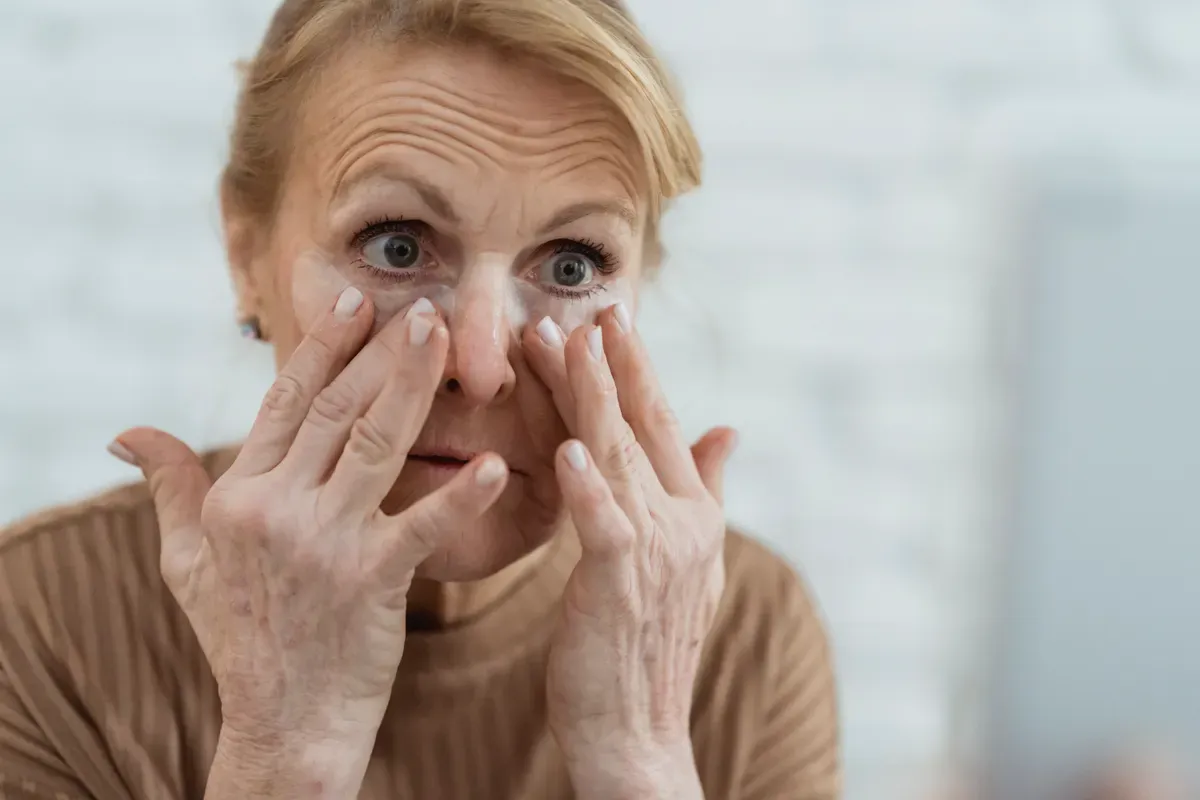
The best skincare routine for mature skin comes down to five core steps: a gentle cleanser, an antioxidant serum, a targeted treatment (retinoid), a rich moisturizer, and SPF 30 or higher every morning. Use fragrance-free, dermatologist-tested formulas consistently for at least 12 weeks before expecting visible changes. That timeline — not the product price tag — is what separates real results from wishful thinking.
Mature skin loses collagen at roughly 1% per year after age 25, and that rate accelerates after menopause. Skin also becomes drier, thinner, and slower to shed dead cells — which dulls your complexion and makes fine lines look deeper than they are. The good news? The ingredients that genuinely reverse these changes are well-established, widely available, and don't require a 10-step routine or luxury price tags. This guide ranks the best anti-aging skincare products by category, compares them head-to-head, and tells you exactly how to layer them.
Product claims are based on manufacturer-provided data and published studies where available. Always patch-test new products and consult a dermatologist if you have sensitive or reactive skin.
Contents
- The Non-Negotiable Foundation: Cleanser and SPF for Mature Skin
- Best Vitamin C Serums for Mature Skin: Antioxidant Protection That Works
- Best Retinoids for Mature Skin: The Gold Standard Anti-Aging Ingredient
- Best Mature Skin Moisturizers: Hydration Plus Barrier Support
- Best Exfoliants for Mature Skin: AHA, PHA, and Enzyme Options
- Best Eye Creams for Mature Skin: Targeting Crepey Texture and Dark Circles
- Best Face Oils for Mature Skin: Sealing In Moisture Overnight
- Quick Comparison of Top Anti-Aging Skincare Picks
- Watch This First
- What Real People Are Saying
- How We Chose These Products
- Frequently Asked Questions
- Final Verdict
The Non-Negotiable Foundation: Cleanser and SPF for Mature Skin
Before any active ingredient can do its job, your skin needs to be clean — but not stripped. Harvard Health Publishing recommends cleansing once daily with a mild, hydrating formula to remove dirt and oil without compromising your skin's natural moisture barrier. For mature skin, a foaming cleanser designed for oily skin is almost always the wrong call — it leaves your face feeling tight, which signals barrier damage.
Two products stand out here for different budgets:
CeraVe Hydrating Cleanser (Target, ~$15 for 16 oz) is the benchmark drugstore option. It contains ceramides 1, 3, and 6-II alongside hyaluronic acid, and its MVE delivery system releases hydrating ingredients over time rather than all at once. It's fragrance-free, non-comedogenic, and suitable for all skin types including sensitive. Cruelty-free status: not certified. Standout feature: it's the only cleanser here developed with dermatologists specifically to restore the skin barrier rather than just clean the surface.
La Roche-Posay Toleriane Hydrating Gentle Cleanser (Ulta, ~$18) goes one step further with niacinamide added to the ceramide and glycerin base. It's specifically formulated for dry to very dry and sensitive skin — the two profiles most common in people over 45. La Roche-Posay tests all products on sensitive skin. Standout feature: it includes a prebiotic thermal water that helps maintain the skin's microbiome balance, something no other cleanser in this article addresses.
On SPF: sunscreen is the single most evidence-backed anti-aging intervention available. UV radiation accounts for up to 80% of visible facial aging. For mature skin, mineral sunscreens with zinc oxide — like EltaMD UV Clear SPF 46 (~$45) — work well because they're less likely to irritate and they sit well under makeup. If you want one product to do double duty, a moisturizer with SPF 30 or higher is a legitimate option for mornings — just don't rely on it as your only sun protection if you're spending significant time outdoors.
Pros
- CeraVe is widely available and one of the most affordable dermatologist-recommended options on the market
- La Roche-Posay adds niacinamide for added brightening and barrier benefits
- Mineral SPF options like EltaMD are non-irritating and work for sensitive mature skin
Cons
- Neither cleanser is certified cruelty-free
- Mineral sunscreens can leave a mild white cast on deeper skin tones
- SPF in moisturizers may not be applied in sufficient quantity to reach labeled protection
Who It's For
Anyone building a wrinkle prevention routine from scratch. If your current cleanser makes your skin feel tight or dry after washing, switch immediately — that sensation is barrier damage in real time.
Best Vitamin C Serums for Mature Skin: Antioxidant Protection That Works
Vitamin C is the most extensively studied antioxidant in collagen skincare. It neutralizes free radical damage from UV radiation and pollution, visibly brightens skin tone, and directly supports collagen synthesis. The challenge: it's notoriously unstable and can cause irritation for people with sensitive or reactive skin — especially at concentrations above 15%.
Skinceuticals C E Ferulic (Sephora, ~$185 for 1 oz) is the gold standard. Its patented formula combines 15% L-ascorbic acid with vitamin E and ferulic acid — a combination that research shows doubles the photoprotection of vitamin C alone. It's suitable for normal to dry skin, fragrance-free, and has a legitimate body of published clinical data behind it. Not certified cruelty-free. Standout feature: the only serum in this article backed by peer-reviewed clinical studies on photoprotection enhancement — not just manufacturer claims.
TruSkin Vitamin C Serum (Amazon, ~$20) delivers a more accessible entry point. It uses a sodium ascorbyl phosphate form of vitamin C (more stable and gentler than L-ascorbic acid), combined with hyaluronic acid, vitamin E, and botanical extracts. Suitable for all skin types including sensitive. Cruelty-free certified. Standout feature: it's the only vitamin C option here that uses a stabilized derivative rather than pure L-ascorbic acid, making it better suited for first-timers or reactive skin.
Timeless Vitamin C Plus E Ferulic Acid Serum (Amazon, ~$25 for 1 oz) essentially replicates the Skinceuticals formula at a fraction of the cost. It uses 20% L-ascorbic acid — the highest concentration of any pick here — alongside vitamin E and ferulic acid. Best for oily or combination skin that can tolerate higher concentrations. Standout feature: highest L-ascorbic acid concentration of any pick in this category, making it the most potent budget option available.
One important nuance: if vitamin C irritates your skin, you don't have to skip antioxidants entirely. Industry professionals note that resveratrol, coenzyme Q10, niacinamide, and azelaic acid are all well-established antioxidant alternatives with strong track records in anti-aging skincare. Resveratrol in particular supports collagen production and has a calming effect on reactive skin.
Pros
- Skinceuticals C E Ferulic has the strongest clinical backing of any vitamin C serum available
- Timeless offers near-identical actives to Skinceuticals at about 86% less cost
- TruSkin is gentler for sensitive skin due to its stabilized vitamin C derivative
Cons
- Pure L-ascorbic acid oxidizes quickly — store in a cool, dark place and replace every 3 months
- High concentrations can cause tingling, redness, or breakouts in sensitive skin types
- Skinceuticals pricing is prohibitive for many budgets
Who It's For
Anyone with hyperpigmentation, sun damage, or dull, uneven skin tone. Apply in the morning after cleansing, before moisturizer and SPF.
Best Retinoids for Mature Skin: The Gold Standard Anti-Aging Ingredient
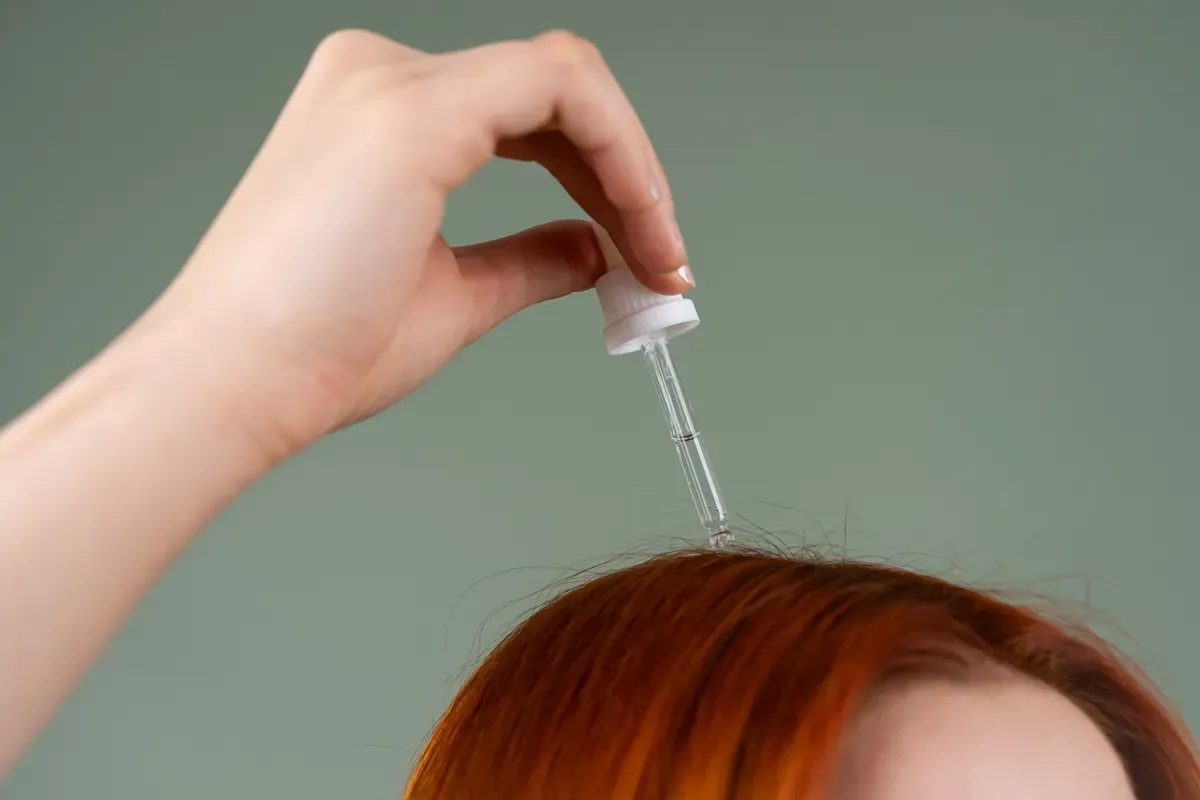
Retinoids are the most clinically supported category in all of anti-aging skincare. They speed up cell turnover, stimulate collagen production, reduce the appearance of fine lines, and fade hyperpigmentation. The ladder goes: retinol → retinaldehyde → tretinoin (prescription). Each step up means faster results and higher irritation potential.
RoC Retinol Correxion Line Smoothing Serum (Ulta, ~$25) is one of the most recognizable drugstore retinol options, with a formula that pairs retinol with minerals and a slow-release technology designed to minimize irritation. Suitable for normal to combination skin. Not certified cruelty-free. Standout feature: it's the only retinol here with a mineral-infused delivery system that the brand claims extends retinol activity throughout the night.
Paula's Choice 1% Retinol Treatment (Sephora, ~$62) is the strongest over-the-counter retinol concentration in this roundup. It pairs 1% retinol with peptides, vitamin C, and a skin-replenishing base that helps offset irritation. Best for oily to combination skin with some retinol tolerance already. Cruelty-free certified. Standout feature: the only pick here that combines maximum OTC retinol strength with multiple collagen-supporting peptides in a single formula.
Haruharu Wonder Black Rice Hyaluronic Toner — actually, for those just starting their retinoid journey, the Haruharu Wonder Night Retinol Serum (~$22) is an excellent beginner option. It delivers a low-concentration retinol in a soothing, hydrating base with black rice extract, niacinamide, and panthenol. Suitable for sensitive skin. Cruelty-free certified. Standout feature: it's the gentlest beginner retinol here, formulated to allow simultaneous use with other actives without triggering the classic "retinol uglies" purge phase.
Industry professionals consistently emphasize starting low and slow — two to three nights per week with a low concentration, then increasing frequency over 8 to 12 weeks. If your skin is still irritated after six months of consistent use, it may be worth switching to retinaldehyde, which converts to retinoic acid more efficiently than retinol without the harshness of prescription tretinoin. As The INKEY List notes, effective anti-aging skincare doesn't require luxury price tags — it requires the right science-backed ingredients used consistently.
Pros
- RoC is widely available and affordable for budget-conscious shoppers
- Paula's Choice 1% is the strongest OTC retinol paired with complementary actives
- Haruharu Wonder is ideal for retinol beginners and those with reactive skin
Cons
- All retinols require sun protection — they increase photosensitivity
- Results take 12 weeks minimum to become visible; most people quit too soon
- Purging (temporary breakouts) is possible in the first 4 to 6 weeks
Who It's For
Anyone concerned about fine lines, texture, or uneven skin tone. Start with Haruharu Wonder if you're new to retinoids. Graduate to Paula's Choice once your skin tolerates nightly use without irritation.
Best Mature Skin Moisturizers: Hydration Plus Barrier Support
A mature skin moisturizer needs to do more than just feel nice. It needs to reinforce the lipid barrier, lock in water, and ideally deliver some actives while it's at it. Look for a combination of humectants (hyaluronic acid, glycerin), emollients (fatty acids, squalane), and occlusives (shea butter, petrolatum) in the formula.
Neutrogena Rapid Wrinkle Repair Moisturizer SPF 30 (Ulta, ~$22) handles the daily moisturizer and SPF requirement in one product. The formula includes retinol, glucose complex, and hyaluronic acid, making it a genuinely multi-tasking option. Suitable for normal to combination skin. Not certified cruelty-free. Standout feature: it's the only moisturizer in this roundup that combines retinol and SPF 30 in a single product, cutting one step from your morning routine without sacrificing function.
Olay Regenerist Micro-Sculpting Cream (Target, ~$30) has been a drugstore staple for good reason. It uses amino-peptide complex II — a proprietary blend of amino acids and vitamin B3 (niacinamide) — to support collagen production and skin firmness. Suitable for all skin types. Not certified cruelty-free. Standout feature: its amino-peptide complex is unique to Olay and has been studied in long-term clinical trials by the brand — it's the collagen skincare pick here with the most documented brand-funded research across multiple age groups.
First Aid Beauty Ultra Repair Cream (Sephora, ~$36) is the pick for very dry, sensitive, or eczema-prone mature skin. It's built around colloidal oatmeal (an FDA-recognized skin protectant), shea butter, and allantoin — a combination that calms irritation and creates a protective barrier. Fragrance-free, cruelty-free certified, and suitable for all skin types. Standout feature: it's the only moisturizer here that contains colloidal oatmeal as a recognized active ingredient, giving it genuine clinical standing for compromised or sensitized skin.
Pros
- Neutrogena combines SPF and retinol for maximum morning efficiency
- Olay's amino-peptide complex is a uniquely well-studied proprietary formula for firmness
- First Aid Beauty is the strongest option for reactive or eczema-prone mature skin
Cons
- Moisturizers with retinol may not deliver enough active ingredient for significant anti-aging effect
- Olay Regenerist has no SPF — you'll need to layer sunscreen separately in the morning
- First Aid Beauty's heavier texture may not work for oily or combination skin types
Who It's For
Every mature skin type — pick based on your skin's dryness level. Very dry skin: First Aid Beauty. Normal to oily: Neutrogena or Olay.
Best Exfoliants for Mature Skin: AHA, PHA, and Enzyme Options
As skin ages, cell turnover slows — dead skin cells pile up on the surface, creating dullness, rough texture, and a complexion that looks flat. Regular, gentle exfoliation is one of the most immediately visible improvements you can make. The key word is gentle. Physical scrubs with large particles are too aggressive for thinning mature skin. Chemical exfoliants — specifically AHAs, PHAs, and enzymes — dissolve dead cells without friction.
The Ordinary Glycolic Acid 7% Toning Solution (Sephora, ~$12) is the most affordable AHA option in this roundup. Glycolic acid has the smallest molecular weight of any AHA, meaning it penetrates deepest and works fastest. The 7% concentration is effective without being overly harsh. Suitable for normal to oily skin. Cruelty-free certified. Standout feature: it's the only exfoliant here that also functions as a scalp and body exfoliant, making it an unusually versatile product for the price.
Paula's Choice Skin Perfecting 8% AHA Gel Exfoliant (Sephora, ~$35) uses lactic acid — a larger-molecule AHA that's gentler and more hydrating than glycolic — alongside chamomile and green tea extract. Suitable for normal to dry and sensitive skin. Cruelty-free certified. Standout feature: lactic acid also acts as a humectant, meaning this exfoliant simultaneously hydrates as it exfoliates — a particularly useful dual action for dry mature skin.
Neogen Dermalogy Bio-Peel Gauze Peeling Wine (Ulta, ~$38) takes a different approach: saturated gauze pads that combine physical texture with AHAs from fermented wine extract (tartaric acid) and resveratrol. Suitable for all skin types. Cruelty-free certified. Standout feature: it's the only exfoliant here that delivers resveratrol — a proven antioxidant — alongside chemical exfoliation, making it the most complete two-in-one option in this category.
Start with exfoliating two to three times per week maximum. If you're also using a retinoid, don't use both on the same night — alternate them to prevent over-exfoliation, which actually accelerates skin aging by compromising the barrier.
Pros
- The Ordinary offers an effective AHA at an exceptionally low price point
- Paula's Choice lactic acid formula is gentler and more hydrating for dry mature skin
- Neogen gauze pads add tactile feedback and resveratrol benefits in one step
Cons
- Glycolic acid can cause sun sensitivity — always follow with SPF
- Over-exfoliating is common and counterproductive; stick to 2-3 times per week maximum
- Some users experience mild irritation during the first two weeks of use
Who It's For
Anyone with dull, rough, or uneven skin texture. If you're new to chemical exfoliation, start with the Paula's Choice lactic acid or Neogen pads before graduating to glycolic acid.
| Product | Category | Price Range | Key Ingredient | Best For | Cruelty-Free |
|---|---|---|---|---|---|
| CeraVe Hydrating Cleanser | Cleanser | Drugstore (~$15) | Ceramides, Hyaluronic Acid | All skin types, barrier repair | Not certified |
| Skinceuticals C E Ferulic | Vitamin C Serum | Luxury (~$185) | 15% L-Ascorbic Acid, Ferulic | Sun damage, hyperpigmentation | Not certified |
| Timeless Vitamin C Serum | Vitamin C Serum | Drugstore (~$25) | 20% L-Ascorbic Acid, Ferulic | Budget-conscious, oily skin | Verify on brand site |
| Paula's Choice 1% Retinol | Retinoid Treatment | Mid-range (~$62) | 1% Retinol, Peptides, Vitamin C | Experienced retinol users | Yes |
| Haruharu Wonder Retinol Serum | Retinoid Treatment | Drugstore (~$22) | Low-dose Retinol, Niacinamide | Sensitive skin, retinol beginners | Yes |
| Olay Regenerist Micro-Sculpting Cream | Moisturizer | Drugstore (~$30) | Amino-Peptide Complex, Niacinamide | Normal to all skin types, firmness | Not certified |
| First Aid Beauty Ultra Repair Cream | Moisturizer | Mid-range (~$36) | Colloidal Oatmeal, Shea Butter | Very dry, sensitive, eczema-prone | Yes |
| Paula's Choice 8% AHA Gel | Exfoliant | Mid-range (~$35) | Lactic Acid, Green Tea | Dry, sensitive skin needing exfoliation | Yes |
| Biossance Squalane + Vitamin C Rose Oil | Face Oil | Luxury (~$72) | Squalane, Vitamin C, Rosehip | Dry mature skin, overnight repair | Yes |
Best Eye Creams for Mature Skin: Targeting Crepey Texture and Dark Circles
The skin around your eyes is four times thinner than the rest of your face. It has fewer oil glands, so it dries out faster, and it's under constant mechanical stress from blinking — roughly 15,000 times a day. That makes crow's feet and crepey texture some of the earliest and most visible signs of aging. Eye creams aren't a gimmick, but most generic face moisturizers are too heavy (and often too active) for this delicate zone.
RoC Retinol Correxion Eye Cream (Target, ~$22) is one of the few eye creams that actually contains retinol in a concentration tested specifically for periorbital skin. It pairs retinol with a mineral complex designed to minimize irritation. Suitable for all skin types. Not certified cruelty-free. Standout feature: it's the only retinol-containing eye cream in this roundup, meaning it's the most likely to produce measurable improvements in crow's feet and fine lines over time.
Kiehl's Creamy Eye Treatment with Avocado (Sephora, ~$55) takes a purely nourishing approach — no actives, just intensely rich emollients from avocado oil and shea butter. It's ideal for the driest, most crepey eye zones and works well as an overnight treatment. Suitable for dry and very dry skin. Not certified cruelty-free. Standout feature: it's the richest, most occlusive formula in this roundup — the pick when crepey dryness is the primary concern over fine lines.
Cetaphil Hydrating Eye Gel-Cream (Ulta, ~$16) is the budget-friendly, sensitive-skin-safe pick. It uses hyaluronic acid and vitamin E in a lightweight gel-cream formula that works under makeup and doesn't migrate into eyes. Fragrance-free, ophthalmologist-tested, and suitable for all skin types including contact lens wearers. Not certified cruelty-free. Standout feature: the only eye cream here that's been ophthalmologist-tested and formulated specifically to be safe for contact lens wearers.
Pros
- RoC is the only pick here with retinol specifically dosed for eye-area use
- Kiehl's provides the deepest nourishment for severely dry or crepey lids
- Cetaphil is the most affordable, sensitive-safe option with confirmed ophthalmologist testing
Cons
- Eye creams with retinol require extra caution — avoid applying too close to the lash line
- Rich creams like Kiehl's can cause milia (small white bumps) in oily skin types
- No eye cream will produce dramatic results without a consistent broader skincare routine
Who It's For
Start with Cetaphil if your skin is sensitive or if you're new to eye creams. Graduate to RoC's retinol formula once your skin is conditioned to handle retinoids.
Best Face Oils for Mature Skin: Sealing In Moisture Overnight
Face oils work differently from moisturizers. They don't add water to your skin — they seal it in. Applied as the final step in your nighttime routine, they create an occlusive layer that prevents transepidermal water loss (TEWL), a major driver of dry, tight, and prematurely aging skin. Mature skin particularly benefits from oils because natural sebum production declines significantly with age.
Biossance Squalane + Vitamin C Rose Oil (Sephora, ~$72) combines sugarcane-derived squalane — chemically identical to the squalane your skin naturally produces — with vitamin C and rosehip oil. Squalane is non-comedogenic, lightweight, and suitable for all skin types including oily and acne-prone. Vegan and cruelty-free certified. Standout feature: it's the only face oil here that combines squalane (the skin's own lipid) with vitamin C for overnight antioxidant and barrier repair in one step.
Sunday Riley Luna Sleeping Night Oil (Sephora, ~$55) is the retinoid option in this category — it delivers a blue tansy and retinol blend in an oil format, making it gentler for retinol beginners than many serum-format options. Suitable for all skin types. Cruelty-free certified. Standout feature: it's the only face oil in this roundup that delivers retinol, making it a genuine alternative to a separate retinol serum for those who prefer simplified routines.
The Ordinary 100% Plant-Derived Squalane (Sephora, ~$10) is the cleanest, most affordable option: pure squalane, nothing else. It's lightweight, fast-absorbing, and can be mixed with your moisturizer or applied alone. Vegan and cruelty-free certified. Standout feature: it's the most versatile product in this roundup — it can be mixed with serums, applied to hair, or used as a lip treatment, giving it the broadest utility beyond just facial use.
Pros
- Biossance adds antioxidant vitamin C benefits alongside barrier repair
- Sunday Riley Luna delivers retinol in an oil format — ideal for dry, sensitive retinol beginners
- The Ordinary squalane is an exceptional value at under $10
Cons
- Biossance and Sunday Riley are luxury-tier priced relative to their volume
- Oils should always be the last step — applying before serums blocks absorption
- Those with oily or acne-prone skin should patch-test any oil before committing
Who It's For
Anyone with dry to very dry mature skin will see the most benefit. Apply 3-4 drops as your final PM step, pressing gently into skin rather than rubbing.
Quick Comparison of Top Anti-Aging Skincare Picks
Watch This First
The Dr. Sam Ellis YouTube channel covers a point that often gets lost in product-focused discussions: real anti-aging skincare starts from the inside out. Stress, sleep quality, and what you eat have documented effects on how fast your skin ages — and no serum will fully compensate for chronic sleep deprivation or unmanaged stress. The channel also walks through a double-cleansing method for nighttime routines — first an oil cleanser to break down sunscreen and makeup, then a second AHA/BHA cleanser to support cell turnover — as a genuinely practical alternative to the single-cleanser approach most people use.
One particularly useful perspective from the channel: exfoliation matters specifically because mature skin accumulates dead cells more slowly — they don't shed as readily as they did in your 30s — which creates that flat, dull look that no moisturizer can fix on its own. Adding chemical exfoliation to your routine (whether in a dedicated toner or an exfoliating cleanser) helps your other products penetrate more effectively and gives your complexion an immediate visible lift. That's not a marketing claim — it's how surface cell biology actually works.
What Real People Are Saying
Real-world skincare communities consistently confirm what dermatologists recommend — but they also add honest nuance that clinical studies skip. In r/40PlusSkinCare, users building routines for dry aging skin consistently point to a hydrating cream cleanser as the non-negotiable starting point — with multiple commenters noting they had been unknowingly using foaming cleansers for years and only realized the damage when they switched.
Over in r/SkincareAddiction, a 46-year-old user put it plainly: a moisturizer that actually works for your skin plus daily sunscreen is the core of everything. No 10-step routine required. This "less is more" thread is worth reading if you're overwhelmed by product choices — the community consensus is that consistency with two to three well-chosen products beats rotating through a dozen mediocre ones.
In r/GenX, women in their 50s described layering hyaluronic acid cream under a richer face cream one to two times per week, often spraying their face with water first to give the hyaluronic acid something to bind to. Several mentioned Pond's as a beloved budget-friendly staple — proof that a high-functioning mature skin moisturizer doesn't have to cost $80. The community also noted that weekly exfoliation with a chemical peel pad made a more visible difference than adding any new serum.
And from r/GracefulAgingSkincare, the takeaway was blunt and refreshing: a dermatologist-recommended retinol, a hydrating moisturizer, a gentle cleanser, and an exfoliant you actually use consistently. That's the whole list. Everything else is optional.
How We Chose These Products
Every product in this guide was evaluated against a consistent set of criteria designed to reflect what actually matters for mature skin — not what makes for impressive marketing copy. The goal was to surface products that are genuinely effective, accessible at multiple price points, and recommended by either board-certified dermatologists, peer-reviewed research, or both.
Products were excluded if they: lacked transparency about ingredient concentrations; relied primarily on fragrance or essential oils as "active" components; had a documented history of irritation in sensitive or mature skin types; or were only available through gated subscription models with no straightforward purchase path.
Here's the specific framework used to evaluate each pick:
| Evaluation Factor | What We Looked For | Weight |
|---|---|---|
| Ingredient Quality | Published evidence for key actives; no fillers masquerading as actives | High |
| Formulation for Mature Skin | Fragrance-free; ceramide or lipid support; no known irritants at listed concentrations | High |
| Price Range Representation | At least one drugstore pick per category; luxury included only if it outperforms mid-range | Medium |
| Dermatologist or Clinical Backing | Developed with or routinely recommended by board-certified dermatologists | High |
| Real-World User Feedback | Consistent positive responses in verified skincare communities (r/40PlusSkinCare, r/SkincareAddiction) | Medium |
| Accessibility | Available at US retailers (Sephora, Ulta, Target, Amazon) without subscription requirements | Medium |
Notably, price was never used as a proxy for quality. In the vitamin C category, for example, Timeless at $25 delivers nearly identical active ingredients to Skinceuticals at $185. The higher price was only justified when it corresponded to meaningfully superior published clinical evidence — not just better packaging or brand prestige.
Frequently Asked Questions
How long does it take to see results from retinol on mature skin?
Visible results from a retinol serum typically take 12 to 16 weeks of consistent use — roughly three to four months. Skin cell turnover takes about 28 days in younger skin and slows to 45 to 60 days in mature skin, which is why patience is non-negotiable. Fine lines, texture, and tone improvements are usually the first changes noticed. Deeper wrinkles take longer and may require a stronger retinoid concentration over time. If you quit at week six because you haven't seen dramatic results, you've stopped exactly when the compound interest of consistent use was about to pay off.
What is the correct order to layer products in an anti-aging skincare routine for mature skin?
Morning order: cleanser → antioxidant serum (vitamin C) → eye cream → moisturizer → SPF. Evening order: oil cleanser (if wearing makeup or SPF) → second cleanser → exfoliant (2-3 nights per week) → retinoid serum → eye cream → moisturizer → face oil as final step. The general rule is thinnest to thickest — serums before creams, oils last at night. Never apply retinol on the same evening as a chemical exfoliant; alternate nights to prevent barrier disruption.
Can someone with very sensitive mature skin use a chemical exfoliant without irritation?
Yes, but product choice and frequency matter enormously. PHAs (polyhydroxy acids) and enzyme exfoliants are the most gentle options for reactive or sensitive mature skin. Lactic acid (an AHA with larger molecules than glycolic) is the next step up. Start with once per week, assess for any redness or tightness after 48 hours, and increase to twice per week only after four weeks of tolerance. Avoid using exfoliants on the same night as retinoids. If irritation persists after six weeks of once-weekly use, switch to an enzyme-based formula instead.
Do mature skin types actually need a separate eye cream or will a regular face moisturizer work?
A dedicated eye cream is justified for most mature skin types, though not because eye creams are magic. The reason is formulation specificity: eye-area skin is four times thinner than the rest of your face, has fewer oil glands, and is mechanically stressed thousands of times per day from blinking. Many effective face moisturizers contain concentrations of retinol, AHAs, or fragrance that are too high for periorbital skin. A well-formulated eye cream delivers gentler concentrations of hydrating and active ingredients in a format that won't migrate into eyes or cause milia.
What anti-aging skincare routine is best for someone in their 60s with very dry skin?
For mature skin in the 60s with significant dryness, prioritize barrier repair above everything else. Your routine should include a cream cleanser (never foaming), a rich ceramide or peptide moisturizer twice daily, a face oil at night as the final step, and SPF every morning. Add retinol only two nights per week to begin, and choose a low-concentration formula like Haruharu Wonder. Hold off on adding vitamin C until your barrier is stable — tingling or tightness after application signals the barrier isn't ready for high actives yet. Harvard Health recommends moisturizing immediately after cleansing to lock in residual moisture — timing matters as much as product choice.
Is an expensive vitamin C serum like Skinceuticals C E Ferulic actually worth it compared to a $25 drugstore alternative?
For most people, no — not unless budget is not a concern. Timeless Vitamin C Plus E Ferulic uses the same core combination of L-ascorbic acid, vitamin E, and ferulic acid that defines the Skinceuticals formula, at roughly 86% less cost. The clinical differentiation comes from Skinceuticals' patented delivery system and its larger body of third-party published research. If you're treating severe photodamage and want the most validated product available, the premium is defensible. For everyone else, Timeless is the rational choice — just buy it in small batches and store it properly, since L-ascorbic acid degrades quickly once opened.
Can niacinamide and vitamin C be used together in a mature skin routine without canceling each other out?
Yes. The old concern that niacinamide and vitamin C react to form nicotinic acid (causing flushing) has been largely debunked by modern formulation science. At typical skincare concentrations and with current stabilized formulas, this reaction is not clinically relevant. That said, if you're cautious, simply use vitamin C in the morning and niacinamide in your evening routine — a logical split anyway since vitamin C provides daytime antioxidant protection and niacinamide pairs well with nighttime barrier repair. As Biossance notes, vitamin C is particularly essential in your 40s and beyond — if you started it earlier, keep going; if you haven't started, now is the time.
Final Verdict
If you're building a skincare routine for mature skin from scratch, start with three products: CeraVe Hydrating Cleanser, a retinoid (Haruharu Wonder Night Retinol Serum if you're new, Paula's Choice 1% if you're experienced), and a broad-spectrum SPF 30 or higher every morning. Add a vitamin C serum and a mature skin moisturizer once those three are tolerated well. That five-step framework covers the biological mechanisms of aging — UV damage, collagen loss, impaired cell turnover, and compromised barrier function — more effectively than any 12-step routine could.
The single best pick in this entire roundup for most people is the Haruharu Wonder Night Retinol Serum. It's gentle enough for sensitive mature skin, affordable enough to commit to long-term, cruelty-free, and it delivers the one ingredient with the most documented impact on visible aging. Pair it with CeraVe Hydrating Cleanser and EltaMD UV Clear SPF 46 and you have a dermatologist-caliber routine for under $90 total.
Bottom line: The best anti-aging skincare isn't about spending more — it's about using the right ingredients consistently over months, not days. Retinoids, SPF, and a genuine moisturizer are the core of every effective wrinkle prevention routine. Everything else is an upgrade, not a requirement.
About the Author
Written by Lena Marsh
Lena Marsh is a licensed esthetician and skincare writer based in New York. With over 8 years of hands-on experience in clinical skincare, she translates complex dermatology research into practical routines for everyday skin types. She specializes in acne, barrier repair, and ingredient science.
Disclaimer: This article is for informational purposes only. Product claims are based on manufacturer data and published studies where available. Always patch-test new products and consult a dermatologist if you have sensitive or reactive skin.
Last updated: July 2, 2026 · glowi.today