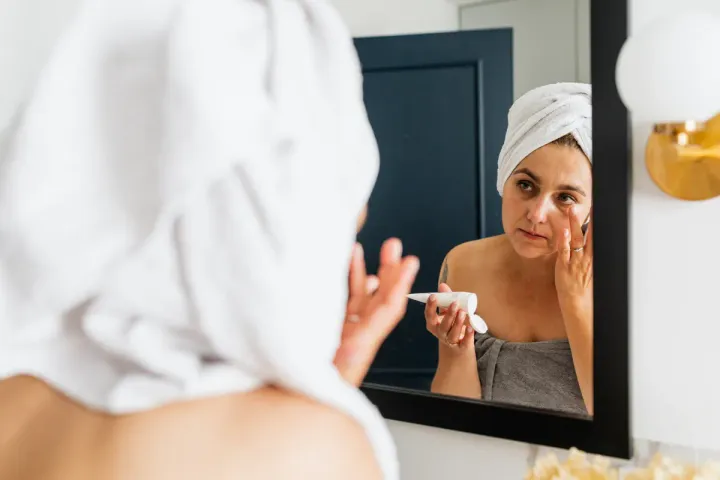
Hyaluronic Acid Serum Benefits: Why Every Skin Type Needs It
Hyaluronic acid serums can hold up to 1,000 times their weight in water, making them the most efficient hydrating ingredient in skincare. Here's what they
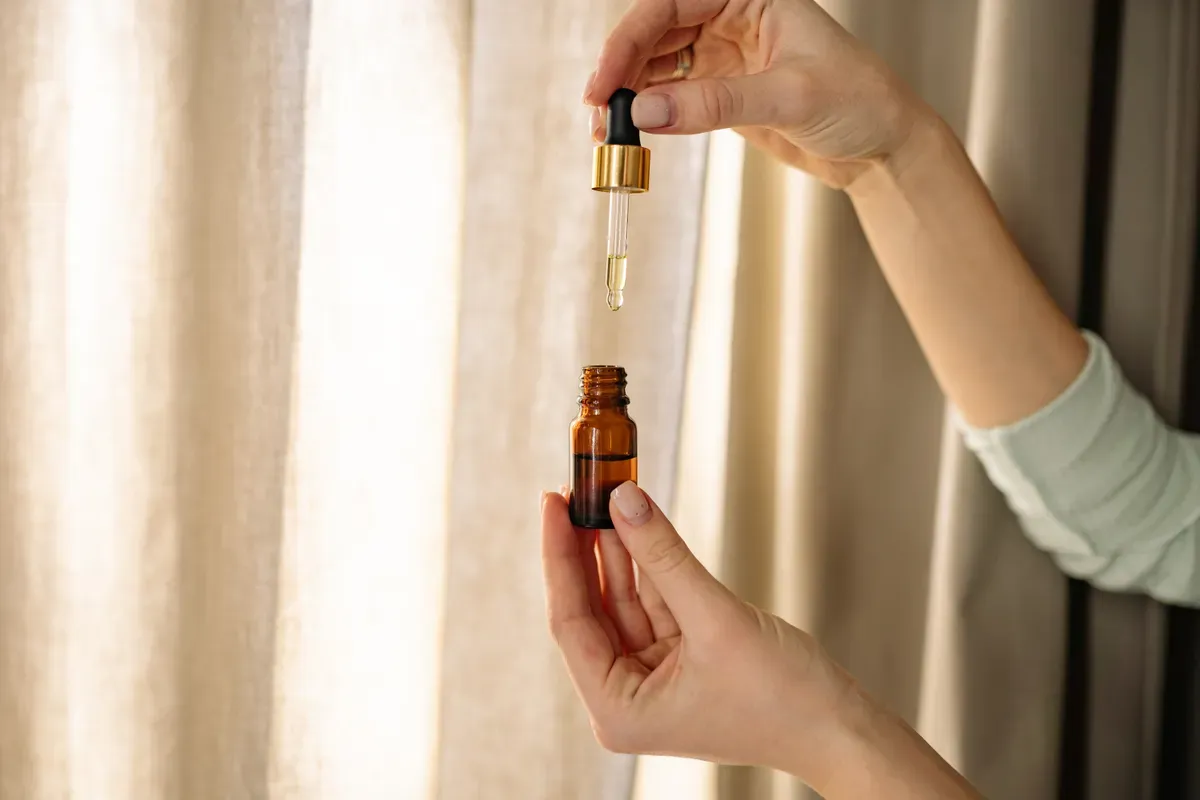
Hyaluronic acid serum benefits go far beyond basic moisture. This ingredient — a sugar molecule naturally produced by your body — can hold up to 1,000 times its weight in water, making it the most efficient hydrating ingredient available in topical skincare. Apply it correctly and your skin looks plumper, lines appear softer, and your complexion has that lit-from-within quality that no amount of highlighter can fake.
The catch? Most people use it wrong. They slap it on dry skin in a dry room, then wonder why their face feels tight an hour later. There's a real mechanism behind why that happens, and understanding it is the difference between glowing skin and wasted product. This guide covers how hyaluronic acid actually works, who benefits most from it, how to layer it correctly, and which formats deliver the best results for different skin types.
Whether you're building your first serum routine or trying to figure out why your current hydrating serum isn't performing, you'll leave with a clear, practical understanding of one of skincare's most versatile ingredients.
Contents
- What Hyaluronic Acid Actually Is
- The Core Hyaluronic Acid Serum Benefits
- Hyaluronic Acid Serum Benefits by Skin Type
- Sodium Hyaluronate vs Hyaluronic Acid and What the Label Really Means
- How to Use a Hyaluronic Acid Serum Correctly
- How Hyaluronic Acid Compares to Other Hydrating Ingredients
- Watch This First
- What Real People Are Saying
- Frequently Asked Questions
- Your Next Steps
What Hyaluronic Acid Actually Is
Hyaluronic acid is a glycosaminoglycan — a long-chain sugar molecule — that occurs naturally throughout your body. You'll find it concentrated in your skin, eyes, and joint fluid. Its job, in every location, is to retain water and keep tissue lubricated and cushioned. Your skin holds roughly half of your body's total supply, but that supply decreases steadily with age. By your mid-30s, your skin produces significantly less of it than it did in your 20s, which is a major reason why skin looks less plump and bouncy over time.
The hyaluronic acid used in skincare products isn't harvested from animals anymore. Modern formulations use a process called biofermentation, where bacteria synthesize the molecule in a laboratory. The result is a highly pure, vegan-compatible ingredient that's structurally identical to what your skin already makes. That's one reason it's so well-tolerated — your skin recognizes it.
Chemically, hyaluronic acid has a pH of around 5, which sits very close to the skin's natural pH of 5.5. That compatibility is why it rarely causes irritation even on reactive or sensitive skin. Unlike alpha-hydroxy acids (glycolic, lactic) or beta-hydroxy acids (salicylic), it doesn't exfoliate or resurface. It simply hydrates. That makes it one of the few active-adjacent ingredients you can realistically use twice daily, every day, without building tolerance concerns or dealing with purging phases.
The molecule also comes in different sizes, which matters enormously for how it performs. High molecular weight hyaluronic acid sits on the skin's surface and forms a moisture-retaining film. Low molecular weight — sometimes called micronized or hydrolyzed hyaluronic acid — is smaller and can penetrate deeper into the upper dermis. The best products use both. Research on HA-based cosmeceuticals consistently shows that multi-weight formulas outperform single-weight ones for overall hydration improvement.
The Core Hyaluronic Acid Serum Benefits
The most immediate and measurable hyaluronic acid serum benefits come down to surface hydration and what that hydration does to your skin's appearance. Here's what the evidence actually supports:
Immediate plumping and softened fine lines. When hyaluronic acid binds water at the skin's surface, it temporarily expands the tissue, reducing the appearance of fine lines and shallow wrinkles. Think of a raisin dropped into water — it doesn't become a different fruit, but the shriveled surface smooths out. The effect is cosmetic, not corrective, but it's visible within hours of application and consistent with continued use.
Improved skin texture and smoothness. Surface hydration directly affects how light reflects off your skin. Well-hydrated skin scatters light more evenly, creating that smooth, even-toned look. Dehydrated skin looks rough and dull because the surface is uneven at a microscopic level. Consistent use of a hydrating serum addresses this at the source rather than masking it with luminizing products.
Enhanced skin elasticity and resilience. Published research in PMC supports HA-based formulations as a noninvasive method for improving both skin hydration and measurable signs of rejuvenation over time. Skin that maintains adequate hydration is more elastic and recovers faster from environmental stress — UV exposure, pollution, temperature changes.
Lipid barrier support. A well-hydrated stratum corneum — the outermost skin layer — functions more effectively as a barrier. Hyaluronic acid doesn't replace barrier lipids like ceramides do, but by keeping the skin cells adequately hydrated, it helps the barrier maintain its structural integrity. This is especially relevant for people who use actives like retinoids or AHAs, which can temporarily compromise barrier function.
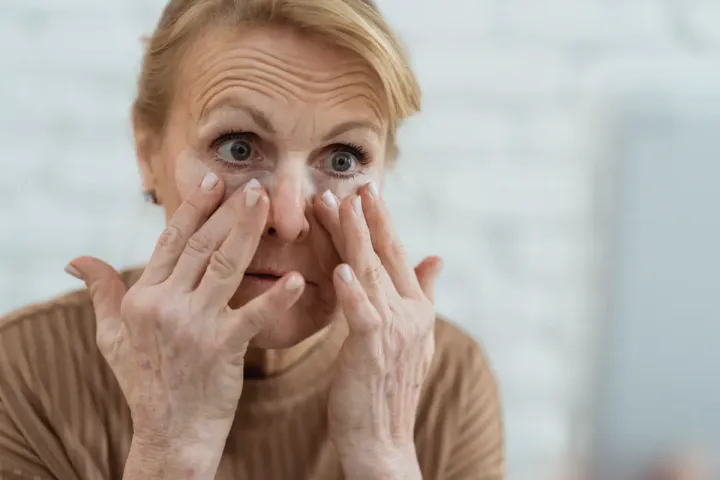
Under-eye area improvement. The under-eye skin is among the thinnest on the face. When it's dehydrated, hollowness becomes more visible and dark circles look deeper. Topical HA in this area won't eliminate structural dark circles (which are often vascular or pigmented), but it visibly softens the hollowed, crepe-paper texture that makes the area look worse than it needs to.
Safe for use during pregnancy and while breastfeeding. Unlike retinoids and certain chemical exfoliants, topical hyaluronic acid is considered safe for use during pregnancy. For people navigating significant ingredient restrictions during that period, HA often becomes a cornerstone of their routine.
Product claims are based on manufacturer-provided data and published studies where available. Always patch-test new products and consult a dermatologist if you have sensitive or reactive skin.
Hyaluronic Acid Serum Benefits by Skin Type
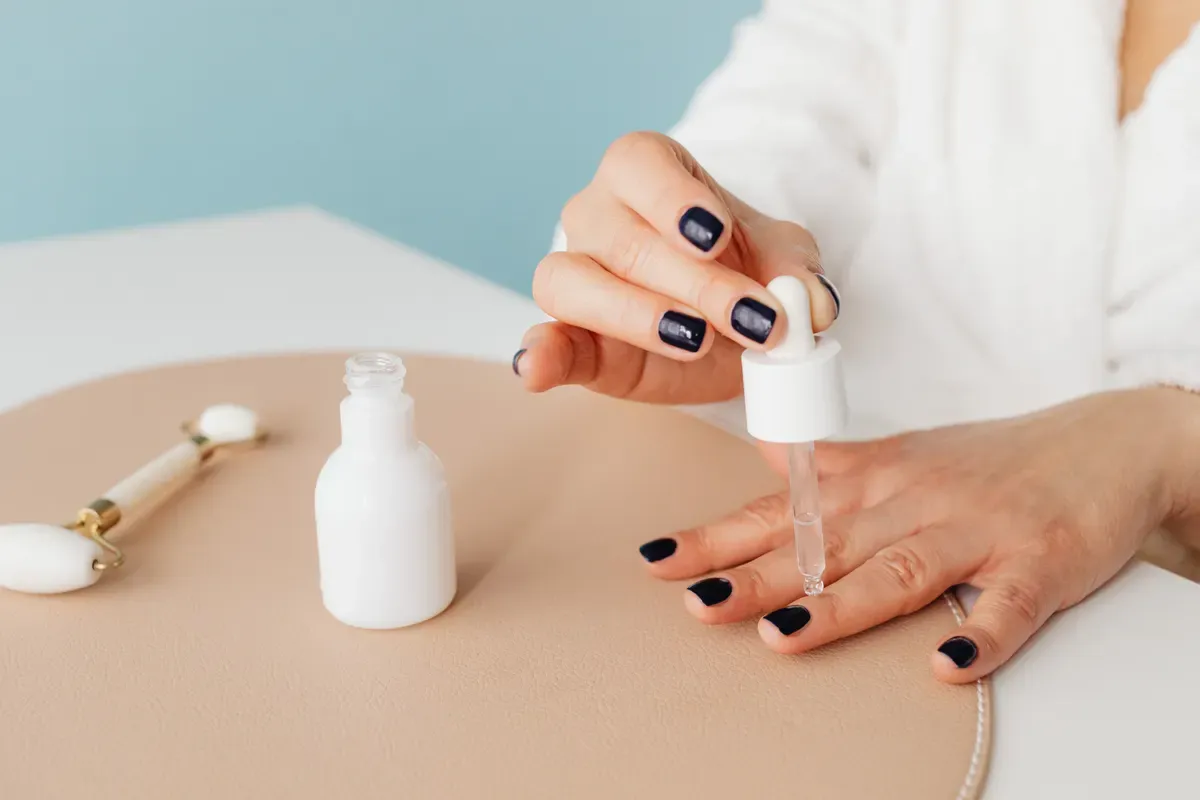
One of the most compelling aspects of hyaluronic acid is its genuine versatility. Most active ingredients require you to choose — exfoliants are great for oily skin but can be harsh for dry skin, retinoids work for aging concerns but aren't ideal for rosacea, vitamin C brightens but destabilizes in certain formulas. Hyaluronic acid doesn't force those trade-offs. That said, the format and molecular weight you choose should still match your skin's specific needs.
Dry and very dry skin benefits most dramatically from HA. When your skin lacks oil and ceramides, it struggles to retain any moisture it does absorb. A serum with both high and low molecular weight HA, applied to damp skin and immediately sealed with a rich hyaluronic acid moisturizer or occlusant, creates a hydration reservoir that visibly transforms dull, tight, flaky skin. Look for formulas at a concentration around 1–2%, and layer with a heavier cream, not just a light lotion.
Oily and acne-prone skin is where a lot of people resist HA, assuming their skin doesn't need more moisture. This is a common misconception. Oily skin is often dehydrated — it produces excess sebum partly as a compensation mechanism for lacking adequate water-based hydration. A lightweight, water-based hydrating serum with higher molecular weight HA gives oily skin the hydration it needs without adding oil or comedogenic ingredients. Gel-texture HA serums work particularly well here.
Combination skin does well with mid-weight or dual-weight formulas. The T-zone can handle a lighter application while drier cheek zones get the benefit of the humectant without feeling stripped. Serums beat creams for combination types because they're easier to apply with precision.
Sensitive and reactive skin is arguably the easiest case for HA. It has minimal allergy risk, no fragrance requirement, and a pH that works with rather than against the skin. Industry professionals consistently cite it as one of the first ingredients to recommend when building a minimal routine for compromised skin. If you're dealing with rosacea, eczema flares, or post-procedure skin, HA is almost always on the safe list.
Mature skin (40+) benefits from low molecular weight HA or sodium hyaluronate-heavy formulas because these penetrate deeper and address the structural loss of hydration that comes with decreased HA production. Pairing HA with peptides or niacinamide amplifies the anti-aging results because you're addressing multiple mechanisms simultaneously.
Sodium Hyaluronate vs Hyaluronic Acid and What the Label Really Means
When you flip a product over and scan the ingredient list, you'll see either "hyaluronic acid" or "sodium hyaluronate" — and sometimes both. They're related but not identical, and the distinction matters for how the ingredient performs on your skin.
Sodium hyaluronate is the salt form of hyaluronic acid. It has a smaller molecular size, which means it penetrates the skin more readily than standard high molecular weight HA. It's also more stable in formulations and less prone to degradation over time, which is why many formulators prefer it. If you see sodium hyaluronate high on an ingredient list, that's a good sign — the product is designed for real skin penetration, not just surface-level moisture.
Hyaluronic acid on the label typically refers to the larger molecule, which stays at the surface and creates that immediate plumping and softening effect. It's not inferior — it serves a different function. Surface-level HA creates a moisture-retaining film that reduces transepidermal water loss (TEWL) while the product is on your skin. Some brands also use "hydrolyzed hyaluronic acid," which has been broken down into even smaller fragments than standard sodium hyaluronate for maximum penetration.
The takeaway: both forms work and both have a role. The best hydrating serum formulas use multiple molecular weights of HA to address hydration at the surface level and deeper layers simultaneously. When shopping, look for ingredient lists that include at least two of: hyaluronic acid, sodium hyaluronate, or hydrolyzed hyaluronic acid.
How to Use a Hyaluronic Acid Serum Correctly
Application method matters more with hyaluronic acid than with almost any other skincare ingredient. Because HA is a humectant — meaning it draws water toward itself — it needs a water source to pull from. Apply it to completely dry skin in a dry environment and it will pull moisture from the deeper layers of your skin upward and release it into the air. The result is tighter, more dehydrated skin than you started with.
The fix is straightforward. Apply your hyaluronic acid serum immediately after cleansing, while your skin is still damp. You don't need it dripping wet — a slight residual dampness from patting dry is ideal. The HA then binds to that surface moisture and holds it against the skin. Follow immediately with a moisturizer or face oil to seal everything in. That sealing step is non-negotiable if you live in a dry climate, use indoor heating in winter, or have naturally dry skin.
A few specific application principles worth knowing:
- Apply 2–4 drops to damp skin and press gently rather than rubbing — this avoids disturbing the moisture you're trying to lock in.
- Layer serums thin to thick. If you're using a vitamin C serum or a niacinamide serum alongside HA, apply the thinnest texture first, then the HA serum, then your moisturizer on top.
- HA can be used morning and evening. For people with severely dry or dehydrated skin, twice-daily application makes a meaningful difference. Skincare professionals frequently recommend morning use before SPF, and evening use before your nighttime moisturizer or overnight mask.
- In humid climates, HA performs exceptionally well because there's ambient moisture in the air for it to draw from. In dry climates or during winter, the occlusive sealing step becomes even more critical.
- Don't mix HA with strong acids in the same application step. Both glycolic acid and hyaluronic acid work at different pH levels. Applying them simultaneously can interfere with efficacy. Apply your exfoliating acid first, let it absorb for 5–10 minutes, then follow with HA.
Concentration matters too. Most formulas designed for daily use contain 1–2% hyaluronic acid, which is the range industry professionals consider effective for routine maintenance. Some brands offer higher-concentration "booster" formulas — these work well for intensive hydration treatments but aren't necessarily more effective for daily use than a well-formulated 1% product.
| Form | Molecule Size | Skin Layer | Best For |
|---|---|---|---|
| Hyaluronic Acid (high MW) | Large | Surface | Immediate plumping, oily skin |
| Sodium Hyaluronate | Medium-small | Upper dermis | Longer-lasting hydration, dry and mature skin |
| Hydrolyzed Hyaluronic Acid | Very small | Deeper penetration | Anti-aging, mature skin, maximum moisture |
| Multi-weight formula | Mixed | All layers | All skin types, best overall performance |
How Hyaluronic Acid Compares to Other Hydrating Ingredients
Hyaluronic acid dominates the hydrating serum market, but it's not the only humectant worth knowing. Glycerin is cheaper, more widely used, and also highly effective at attracting water. Aloe vera provides humectant properties alongside soothing actives. Urea pulls double duty as a humectant and gentle exfoliant at higher concentrations. So where does HA stand?
The advantage of HA over glycerin is primarily sensory and marketing-driven, though there is a scientific nuance: HA's unique polymer structure allows it to hold more water per molecule than glycerin, and it forms a more film-like layer on skin that reduces TEWL more efficiently. Glycerin works well but feels stickier at equivalent concentrations. For people who dislike tacky textures, HA serums win.
Compared to occlusants like petrolatum or squalane, HA isn't trying to do the same job. Occlusants seal moisture in; humectants attract it. The real answer is that they're complementary. A complete hydration routine uses a humectant (HA) plus an emollient or occlusant (squalane, shea butter, ceramides) to deliver moisture and keep it from escaping. Using only HA without a sealing step is like filling a bathtub without a drain plug.
Skincare researchers at Perricone MD note that topical HA is essential for replenishing hydration that the skin loses to environmental factors, aging, and daily cleansing — reinforcing that it works best as a daily maintenance ingredient, not an occasional treatment. Pair it with ingredients that address your specific concerns: vitamin C for brightness, niacinamide for texture and pores, peptides for firmness, retinoids for cell turnover.
Watch This First

Watch: the Dr. Sarin YouTube channel on hyaluronic acid benefits and application →
According to the Dr. Sarin YouTube channel, one of the most misunderstood aspects of hyaluronic acid is the molecular weight distinction — and why it matters so much for real-world results. The channel explains that high molecular weight HA creates a surface hydration film, while low molecular weight HA penetrates into the deeper skin layers where actual structural support occurs. The recommendation is clear: look specifically for products that contain both forms rather than settling for a single-weight formula, because dual-weight serums deliver hydration at multiple skin depths simultaneously.
The channel also addresses a practical concern that most product descriptions gloss over entirely: the environmental humidity factor. In dry climates or during winter months when indoor heating strips ambient moisture from the air, HA behaves differently than it does in humid conditions. Without an occlusive layer applied immediately after the serum, the humectant effect reverses — the molecule draws from deeper skin layers instead of the atmosphere, which can leave skin feeling drier than before application. This isn't a flaw in the ingredient; it's a physics problem with a simple fix. Seal the serum with a rich cream or face oil within 30 seconds of application.
What Real People Are Saying
Real-world feedback on hyaluronic acid is remarkably consistent across the skincare community — but the nuances are important. In r/SkincareAddiction, a widely-shared post describes the application mistake most beginners make: applying HA to completely dry skin and then skipping the occlusive step. Users in that thread report that switching to damp-skin application and following up with a heavier moisturizer transformed their results almost immediately — skin that previously felt tight after using HA serums suddenly felt genuinely hydrated.
In r/AsianBeauty, the climate variable comes up frequently. Users report that HA performs noticeably better during humid summer months versus dry winters, and that people in arid or desert climates sometimes find HA-only serums underwhelming until they add an occlusive layer to their routine. The community consensus leans toward viewing HA as a necessary part of a layered routine rather than a standalone solution.
Perhaps the most relatable thread comes from r/30PlusSkinCare, where users in their 30s and 40s describe noticeable changes after adding a hyaluronic acid serum to their morning routine — specifically calling out improved skin texture, reduced appearance of fine lines around the eyes, and a dewier baseline complexion that holds through the day. Several users note that they had dismissed HA as overhyped before actually using it consistently for several weeks.
Frequently Asked Questions
Should you apply hyaluronic acid serum in the morning or at night for best results?
Both. Hyaluronic acid is gentle enough for twice-daily use and performs well in both AM and PM routines. In the morning, it preps skin for SPF and makeup while creating a plump, hydrated base. At night, it works alongside your skin's natural repair cycle to restore moisture lost during the day. If you only use it once, morning application offers the most visible day-to-day benefit.
Can hyaluronic acid serum make oily skin worse or clog pores?
No. Hyaluronic acid is non-comedogenic and adds zero oil to the skin. Water-based HA serums — especially lightweight gel formulas — are among the most pore-friendly options in skincare. Oily skin is often dehydrated beneath the surface, and HA addresses that water deficit without triggering additional sebum production. If anything, adequately hydrated skin tends to produce less compensatory oil over time.
How long does it take to see noticeable results from a hyaluronic acid serum?
Surface-level plumping and softness are visible within hours of the first application when used correctly. Longer-term texture improvement and resilience benefits build over two to four weeks of consistent daily use. The key word is consistent — the molecule is processed by your body continuously, so the effects are maintained only as long as you keep applying it. Skip it for a week and your skin returns to its baseline.
Does hyaluronic acid darken skin or cause hyperpigmentation?
No. Hyaluronic acid has no effect on melanin production and does not cause or worsen hyperpigmentation. It's not a photosensitizing ingredient, so it won't make your skin more reactive to UV exposure. Some users confuse this with certain vitamin C serums (which can oxidize and cause temporary discoloration when improperly formulated), but HA carries no such risk. It's considered safe for all skin tones and is sometimes recommended specifically because of its minimal side-effect profile.
Is there a difference between a hyaluronic acid serum and a hyaluronic acid moisturizer?
Yes, and the difference matters for how you layer them. A hyaluronic acid serum is typically a concentrated, water-based formula designed to deliver HA directly to the skin before other products. It's usually the second step after cleansing and toner. A hyaluronic acid moisturizer contains HA as one ingredient among emollients and occlusants that seal moisture in. For maximum benefit, use both: the serum applies HA to damp skin, and the moisturizer locks it in. Using only a moisturizer that contains HA delivers less targeted hydration than the serum-first approach.
Can you use hyaluronic acid serum with retinol without causing irritation?
Yes — and this pairing is actively recommended by dermatologists. Retinoids increase cell turnover and can compromise the skin barrier, which often leads to dryness, flaking, and sensitivity during the adjustment period. Applying a hyaluronic acid serum before your retinol (or using the sandwich method — HA, then retinol, then moisturizer) cushions the skin and significantly reduces the irritation barrier. Most people who struggle with retinol tolerance improve dramatically when they add a dedicated hydrating serum to the routine.
Does hyaluronic acid serum expire or lose effectiveness over time?
Like all skincare, it has a shelf life. Most HA serums remain stable for 12–24 months unopened. Once opened, use within 6–12 months — check the PAO (period after opening) symbol on the packaging. Exposure to air and heat degrades the molecule over time. Signs that a formula has turned: the texture becomes stringy or unusually thick, the scent changes, or the color shifts. Store your serum away from direct sunlight and heat to preserve potency.
Your Next Steps
Hyaluronic acid is one of the few skincare ingredients where the science, the dermatologist consensus, and the real-world user experience all point in the same direction: it works, it's safe for everyone, and most people who aren't seeing results are making a fixable application error.
Here's the practical three-step action plan to actually get the benefits:
- Apply to damp skin, always. This is the single most impactful change most people can make. Wash your face, pat — don't rub — to leave slight dampness, then apply your hydrating serum within 30 seconds. This gives the HA molecule a water source to bind to rather than drawing from your skin's deeper layers.
- Always follow with an occlusive or emollient. An unsealed HA serum, especially in dry environments, will underdeliver. A moisturizer with ceramides, squalane, shea, or even a light face oil applied on top locks the hydration in and makes the difference between temporary and lasting results.
- Choose a multi-weight formula. Look for products that list both hyaluronic acid and sodium hyaluronate on the label — this gives you surface-level film-forming hydration plus deeper penetration. Research on the 10 core benefits of hyaluronic acid consistently shows that multi-layered delivery outperforms single-size molecule serums for texture, firmness, and sustained hydration.
Consistency is what converts a good ingredient into a transformed complexion. Use it daily, layer it correctly, and give it three to four weeks before evaluating results. You'll know within the first few applications whether you've got the method right — your skin will tell you.
About the Author
Written by Lena Marsh
Lena Marsh is a licensed esthetician and skincare writer based in New York. With over 8 years of hands-on experience in clinical skincare, she translates complex dermatology research into practical routines for everyday skin types. She specializes in acne, barrier repair, and ingredient science.
Disclaimer: This article is for informational purposes only. Product claims are based on manufacturer data and published studies where available. Always patch-test new products and consult a dermatologist if you have sensitive or reactive skin.
Last updated: July 2, 2026 · glowi.today