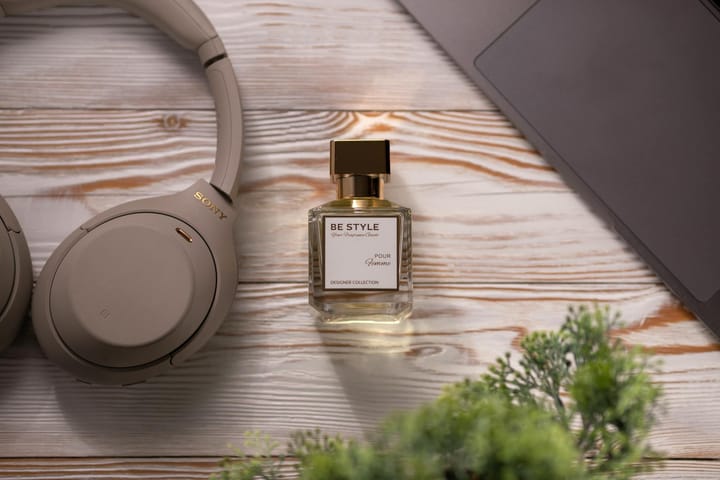
Eau de Parfum vs Eau de Toilette: The Real Difference (and Which to Buy)
EDP holds 15–20% fragrance oil; EDT holds 5–15%. That gap changes how long a scent lasts and how much you pay. Here's how to choose the right one.
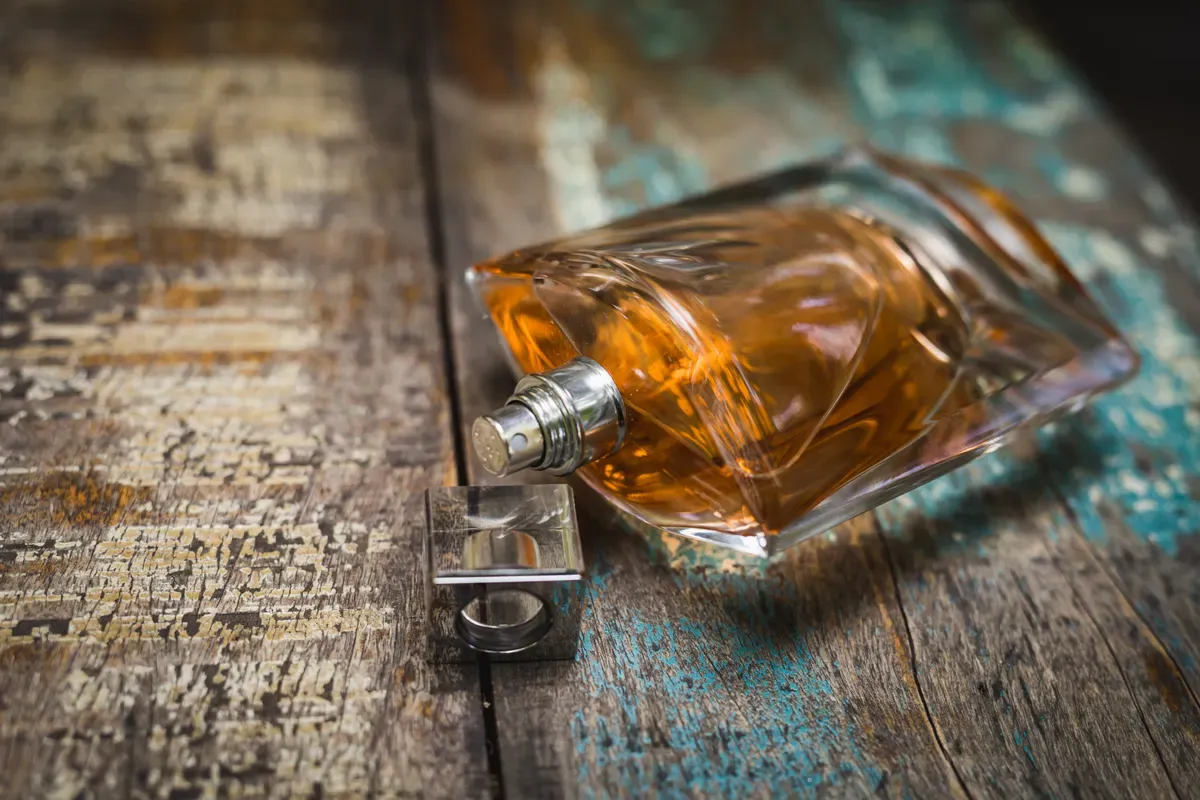
Eau de parfum vs eau de toilette comes down to one thing: how much fragrance oil is in the bottle. EDP typically holds 15–20% fragrance oil, while EDT sits at 5–15%. That difference controls longevity, projection, price, and even how the scent actually smells on your skin. Buy the wrong one and you're reapplying every two hours or paying luxury prices for a scent you only needed for a Tuesday morning commute.
This guide breaks down every concentration tier — EDT, EDP, parfum, elixir — with real-world examples, a side-by-side comparison table, and a straight answer on which one to buy for your specific situation. No gatekeeping, no fluff.
Contents
- Eau de Toilette (EDT): The Everyday Workhorse
- Eau de Parfum (EDP): The Sweet Spot for Most Buyers
- Parfum / Extrait de Parfum: Maximum Concentration
- Elixir and Absolue: The New Tier Brands Invented
- Eau de Cologne (EDC): Where It Fits in 2025
- Fragrance Concentration Comparison at a Glance
- Watch This First
- What Real People Are Saying
- How We Chose
- Frequently Asked Questions
- Final Verdict
Eau de Toilette (EDT): The Everyday Workhorse
EDT is where most people start — and for good reason. With a fragrance concentration ranging from 5% to 15% oil, it's lighter on skin, lighter on the wallet, and genuinely well-suited to the situations most people actually encounter: offices, daytime errands, warm weather, and casual social settings. The higher alcohol ratio means the scent opens fast and projects well immediately after spraying. You'll get that crisp, sharp first impression that fills a room the moment you walk in.
The trade-off is longevity. EDT typically lasts between 3 and 5 hours on skin, depending on your skin chemistry, humidity, and the specific formula. Dry skin absorbs fragrance faster than oily skin, so if you tend to run dry, your EDT will fade even quicker. Hot weather accelerates evaporation too — so that citrus EDT you love in summer might feel almost invisible by noon in July.
Classic EDT examples include Dior Sauvage EDT, Chanel Chance EDT, and Versace Eros EDT. These are some of the bestselling fragrances on the planet — and they're EDTs. That tells you something. Lighter concentration doesn't mean inferior quality. It means the perfumer optimized the formula for a different experience: fresh, airy, and easy to wear.
Price-wise, EDT is almost always cheaper than its EDP counterpart. A 3.4 oz bottle of a designer EDT might run $80–$120, while the same brand's EDP version could be $110–$160 or more. If you're new to a fragrance house or experimenting with a new scent family, EDT is a low-risk entry point.
EDT also layers well. Because the scent isn't as dense, you can more easily combine it with a complementary body lotion or another light fragrance without creating an overwhelming combination. That flexibility matters for fragrance enthusiasts who like building their own signature scent profile.
Pros
- Lower price point across virtually all designer brands
- Excellent for daytime, office, and warm-weather wear
- Strong opening projection — great first impression
- Works well for fragrance layering
- Widely available at every price tier from drugstore to luxury
Cons
- Shorter longevity — typically 3 to 5 hours before significant fade
- May require reapplication throughout the day
- Can smell noticeably different from the EDP or parfum version of the same scent
- Dry-skin wearers will notice faster fade times
Who It's For
EDT is the right choice if you prefer clean, fresh, or citrus-forward scents, spend significant time outdoors or in warm climates, work in environments where heavy fragrance is inappropriate, or simply want to spend less while still wearing a quality designer fragrance. It's also ideal for building a larger collection, since the lower cost per bottle means you can rotate more scents.
Eau de Parfum (EDP): The Sweet Spot for Most Buyers
If you could only own one type of fragrance, EDP is the answer for most people. The fragrance concentration in an EDP sits at 15–20% fragrance oil, compared to EDT's 5–15%. That extra oil percentage translates directly into longer wear time — most EDPs last 6 to 8 hours on skin, with some heavier oriental or woody formulas pushing past 10 hours. You can spray in the morning and realistically smell good through dinner without touching up.
EDP also tends to have better sillage — the scent trail you leave behind as you move. Where an EDT might fade to a skin-close whisper after a few hours, an EDP maintains a soft but perceptible presence. People will notice you've been in a room. That's not always a benefit (conferences and enclosed spaces require restraint), but for evenings out, date nights, or any occasion where making an impression matters, EDP delivers.
The richer oil concentration also changes how a fragrance smells. This is where buyers get surprised. Dior Sauvage EDP doesn't smell exactly like Dior Sauvage EDT. The EDP version is warmer, slightly sweeter, and more complex — more ambroxan and lavender come forward, while the sharp bergamot of the EDT recedes. Neither is objectively better; they're genuinely different experiences wearing the same name. This is one of the most important things to understand before buying: same bottle design, same name, different juice.
Bestselling EDPs include YSL Black Opium EDP, Jo Malone Peony Blush Suede EDP, Marc Jacobs Daisy EDP, and Tom Ford Lost Cherry EDP. Across prestige beauty, EDP is the dominant format — it's what Sephora and Ulta stock most heavily, and it's what most people mean when they say "perfume."
Cost is higher than EDT. A 1.7 oz EDP from a major designer house typically runs $90–$140. Niche or luxury brands like Le Labo, Maison Margiela, or Byredo can push $200–$350 for a 1.7 oz bottle. That's real money. But you're using fewer sprays per wear, and the bottle will last longer proportionally — so the cost-per-wear gap isn't always as wide as the sticker price suggests.
One practical note: because EDPs are more concentrated, you genuinely need fewer sprays. Two to three sprays on pulse points is usually enough. Over-spraying an EDP is a common mistake that turns a beautiful fragrance into an assault. Start with two sprays and assess after 15 minutes once the top notes settle.
Pros
- 6 to 8 hours of wear on most skin types — no midday reapplication needed
- Richer, more complex scent profile than the EDT version
- Better sillage — leaves a noticeable trail without overpowering
- Ideal for evenings, special occasions, and fall/winter wear
- Fewer sprays needed per application, extending bottle life
Cons
- Higher price than EDT across all brands
- Can feel too heavy in summer heat or office environments
- Easy to over-apply — requires some experience to calibrate spray count
- May smell noticeably different from the EDT version of the same fragrance
Who It's For
EDP is the default recommendation for anyone who wants a fragrance that lasts through a full workday or an evening without touching up. It suits people who wear scent intentionally — not just as an afterthought — and who want their fragrance to be part of their presence rather than something that disappears by midmorning. It's especially good for fall and winter, when the warmth of concentrated oils reads beautifully against cold air.
Parfum / Extrait de Parfum: Maximum Concentration
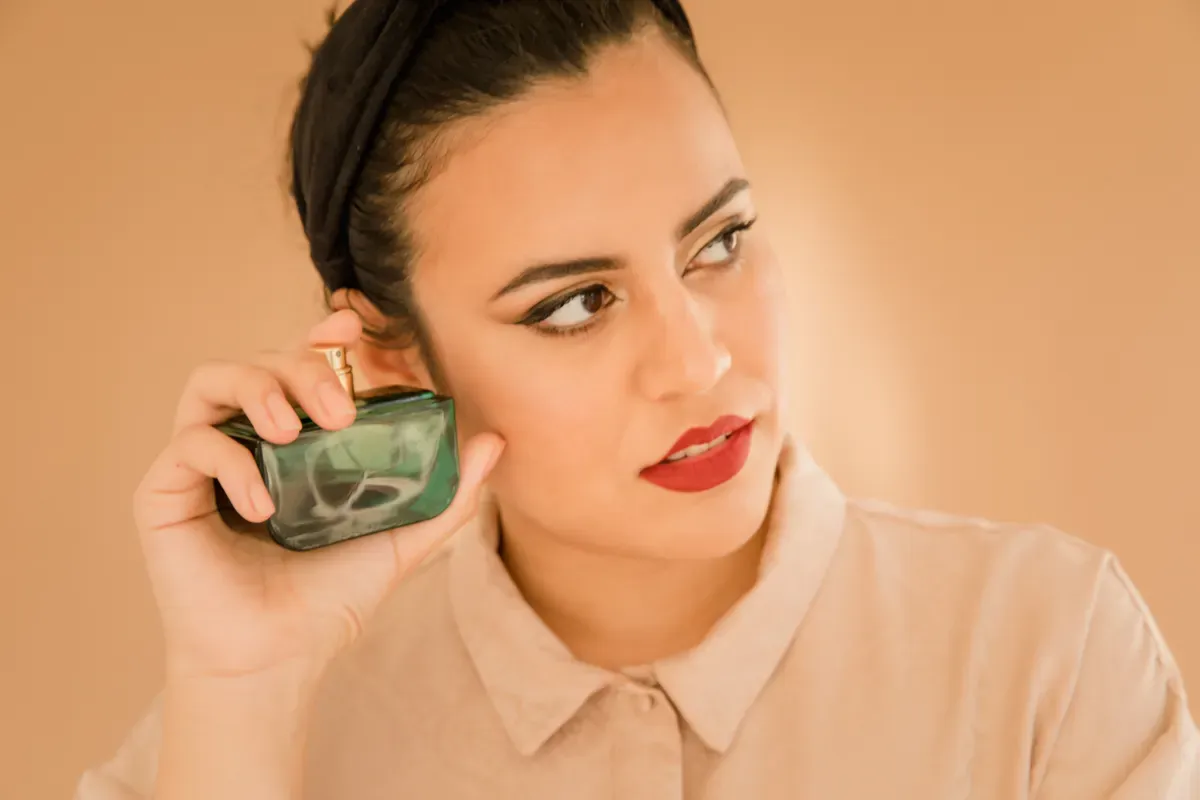
Parfum — also called extrait de parfum or simply "perfume" — sits at the top of the concentration pyramid. According to fragrance enthusiasts in r/Colognes, parfum typically holds between 25% and 40% fragrance oil, though some sources place it as low as 20% depending on the house. That's a massive leap from EDP. The result is a scent that can last 10 to 14 hours or longer, often detectable on clothing days after application.
Parfum doesn't just last longer — it performs differently. The higher oil concentration means less alcohol, which produces a slower, more gradual release of fragrance rather than the immediate burst you get from EDT. Instead of a loud opening that fades, parfum opens quietly and builds. The dry-down is often the best part, as the base notes — woods, musks, resins, vanilla — develop slowly over hours. It's a more intimate experience: parfum often stays closer to the skin rather than projecting widely.
Iconic parfum examples include Chanel No. 5 Parfum, Maison Margiela Replica Jazz Club Parfum, and Giorgio Armani Si Parfum. At the niche end, houses like Amouage and Creed essentially operate at or near parfum concentration for their entire lineup.
The cost is significantly higher. A 1 oz or 1.7 oz parfum from a major house often runs $200–$500, and niche parfums can exceed $400 for less than 50ml. The bottles are frequently smaller, which partly offsets the price — you need only one or two small dabs rather than full sprays. Many parfums come in splash (non-spray) formats for this reason.
The critical caveat: parfum is not always "stronger" in the traditional sense. Projection is often lower than an EDT because less alcohol means less immediate diffusion. If you want a scent that announces your presence across the room, a well-formulated EDT can outperform a parfum in that specific regard. Parfum is about depth, longevity, and intimacy — not volume.
Pros
- Exceptional longevity — 10 to 14+ hours common
- Deepest, most complex expression of a fragrance formula
- Lower alcohol content means less skin irritation for sensitive types
- Small amount needed per application
- Lingers on fabric for days
Cons
- Significantly more expensive per milliliter than EDT or EDP
- Lower projection than EDT — more of a skin scent
- Harder to find in retail stores; often requires specialty or direct purchase
- Can feel overwhelming if over-applied; very little margin for error
Who It's For
Parfum is for experienced fragrance wearers who know exactly what they want. It suits people who prioritize longevity over projection, who prefer intimate sillage over a room-filling presence, and who are willing to spend meaningfully on a fragrance they wear daily or for special occasions. It's also a smart choice for anyone with sensitive skin — the reduced alcohol content makes it less drying and irritating than EDT.
Elixir and Absolue: The New Tier Brands Invented
Elixir, Absolue, Intense, Privée — these designations have proliferated over the last decade and they cause genuine confusion. Brands like Dior (Sauvage Elixir), Armani (Acqua di Gio Profumo), and Azzaro (The Most Wanted Parfum) have released these flankers — variations on an original fragrance — under different concentration labels that don't always follow industry-standard definitions.
The honest truth is that "Elixir" and "Absolue" are marketing terms, not regulated classifications. A brand can label something an Elixir without it meeting any standardized parfum threshold. Dior Sauvage Elixir, for example, smells dramatically different from Sauvage EDT and Sauvage EDP — it's practically a different fragrance built around a similar DNA. Azzaro's Most Wanted EDP, according to fragrance community discussions, has been described as projecting more powerfully than their Most Wanted Parfum, which completely inverts the expected concentration hierarchy.
The practical takeaway: don't assume "Elixir" or "Absolue" means "more concentrated than EDP but cheaper than parfum." It sometimes does. Sometimes it doesn't. The fragrance industry has no regulatory body enforcing these terms, and brands exploit that ambiguity to create new SKUs and justify premium pricing. Your best move is to smell them independently and evaluate based on actual performance — not the label.
Pricing for Elixir-tier products typically runs $120–$200 for a 2 oz bottle, placing them between EDP and full parfum pricing. They're often released in smaller bottle sizes with premium packaging to reinforce the perception of exclusivity.
Pros
- Often genuinely unique interpretations of beloved fragrance families
- Can offer parfum-level complexity at slightly lower price points
- Typically excellent longevity — 8 to 12+ hours
Cons
- No standardized definition — concentration varies wildly by brand
- Can smell very different from the original, leading to buyer surprise
- Premium pricing often feels disproportionate to actual performance difference
- FOMO marketing incentivizes collectors to rebuy scents they effectively own
Who It's For
Elixirs and Absolues make sense for people who already own and love the original fragrance, want a darker or warmer interpretation, and understand they're buying a related but distinct scent experience. They're not a direct upgrade. If you haven't smelled the original, start there — don't jump straight to the premium flanker based on label alone.
Eau de Cologne (EDC): Where It Fits in 2025
Eau de Cologne is technically the lightest formal fragrance concentration, with fragrance oil typically ranging from 2% to 4%. Historically, EDC was a specific style of fragrance — citrus-forward, herbal, light — developed in Cologne, Germany in the 18th century. Today, the term gets used two ways: as a marketing label for lighter men's fragrances, and as its original classification meaning extremely low oil concentration.
The word "cologne" has also become a generic American English term for any men's fragrance, regardless of actual concentration. When someone says "I wore cologne today," they might mean an EDT, EDP, or even a parfum. That colloquial usage doesn't reflect actual product classification. Genuine EDC products — like classic citrus colognes by brands like 4711 or Acqua di Parma Colonia — are genuinely light, fast-fading (1 to 2 hours), and meant to be applied liberally and often.
EDC fell out of mainstream favor as consumers migrated toward longer-wearing formats. In 2025, most people buying a men's fragrance labeled "cologne" are actually purchasing an EDT or EDP. Genuine EDC products serve a niche: people who want a light, refreshing scent for immediate gratification without any lasting presence — a post-gym spritz, a quick refresh after a workout, or a summer-specific freshener.
Price-wise, EDC is often the cheapest format. Classic EDC products can be found for under $40 for large 3.4 oz or bigger bottles — partly because the oil content is so low, manufacturing cost is minimal. If longevity is not your priority and freshness is everything, EDC has a legitimate place in a fragrance wardrobe.
Pros
- Lowest price point of all formal fragrance concentrations
- Extremely light — appropriate for situations where fragrance is unwelcome
- Classic format for citrus and herbal scent families
- Large bottles are standard; very economical per spray
Cons
- Very short longevity — 1 to 2 hours at most
- Requires frequent reapplication to maintain any presence
- Term "cologne" used colloquially causes widespread consumer confusion
- Limited variety in modern fragrance releases — most new launches skip EDC entirely
Who It's For
EDC is for people who want scent as a light, functional freshener rather than a statement. Athletes, people in heavily air-conditioned environments, or anyone who needs a quick and inoffensive scent top-up will find EDC practical. For most fragrance buyers building a primary collection, EDC isn't the format to prioritize.
| Type | Oil Concentration | Typical Longevity | Projection | Best For | Price Range (designer) |
|---|---|---|---|---|---|
| Eau de Cologne (EDC) | 2–4% | 1–2 hours | Light burst only | Post-gym freshener, hot weather | $20–$55 |
| Eau de Toilette (EDT) | 5–15% | 3–5 hours | Strong opening, fades to skin | Office, daytime, summer | $60–$130 |
| Eau de Parfum (EDP) | 15–20% | 6–8 hours | Consistent sillage throughout | Evenings, fall/winter, all-day wear | $90–$180 |
| Parfum / Extrait | 20–40% | 10–14+ hours | Low projection, deep skin scent | Special occasions, sensitive skin | $150–$400+ |
| Elixir / Absolue | Varies (no standard) | 8–12+ hours (typically) | Varies by formula | Collectors, flanker enthusiasts | $120–$250 |
Fragrance Concentration Comparison at a Glance
Watch This First
Watch: the Its Chelsea J YouTube channel on eau de parfum vs eau de toilette →
The Its Chelsea J YouTube channel makes a point that most fragrance guides skip entirely: longevity and projection are two separate things, and EDTs often win on projection even while losing on longevity. An EDT can blast its scent across a room right after application — that immediate, diffusive quality comes from the higher alcohol content carrying the fragrance molecules through the air faster. But that same alcohol evaporates quickly, which is why the scent fades to almost nothing by afternoon. Understanding that trade-off changes how you shop. A short-lasting EDT isn't a "bad" fragrance. It's just optimized for a different purpose.
The channel also offers a tip that's genuinely underappreciated in fragrance buying advice: dry skin eats fragrance significantly faster than oily or well-moisturized skin. If your EDT seems to disappear within two hours, it may not be a concentration problem at all — it may be a skin prep problem. Moisturizing with an unscented lotion or body oil before applying fragrance creates a base that helps fragrance molecules bind and extend wear. This is true across all concentration types, but EDT wearers feel the difference most dramatically.
What Real People Are Saying
The fragrance community online is large, opinionated, and surprisingly technical. Across multiple subreddits, real buyers push back on a lot of the simplified advice that circulates in mainstream beauty content.
In r/FragranceStories, users note that the assumption "EDP always lasts longer than EDT" is too simplistic. Enthusiasts there point out that some EDTs from quality houses outlast budget EDPs — the quality of ingredients and the specific formula matter as much as the oil concentration percentage. A well-made EDT built on skin-adhesive base notes like sandalwood or musk can genuinely outlast a cheap EDP built on cheap synthetics. The percentage on the label is a starting point, not a guarantee.
In r/fragrance, a commonly upvoted perspective explains that EDT's projection advantage is real and often undervalued: EDTs project more than EDPs, and parfum projects the least of all. For buyers who want their fragrance to be perceptible to others across a normal social distance — a workplace, a restaurant — an EDT can actually outperform a parfum in that specific metric. Parfum wears close to the skin; EDT announces you from across the room briefly and then settles.
And in r/Colognes, experienced collectors consistently warn beginners against blind-buying based on concentration tier alone. The number one advice: sample first. A fragrance that sounds great on paper — high concentration, beloved notes, prestigious house — can perform completely differently on your specific skin chemistry. Skin pH, body temperature, and even diet affect how a fragrance develops. No guide, including this one, can replace wearing it.
How We Chose
Selecting and ranking the right fragrance concentration types for this guide required working through a genuine framework — not just repeating the standard "more oil = better" narrative that gets recycled across most fragrance content. The goal was to give buyers an honest picture of what each tier actually delivers, including the cases where the conventional wisdom falls apart.
Here's the specific criteria used:
- Fragrance oil concentration — Sourced from multiple references including brand documentation and Ulta Beauty's fragrance education resources, cross-referenced against community data from r/fragrance. Where ranges varied across sources, we used the broadest defensible range rather than cherry-picking a single figure.
- Real-world longevity — Not lab estimates. Longevity figures reflect community consensus from fragrance forums and enthusiast discussions, weighted against manufacturer claims. There's significant variation based on skin type, environment, and application technique.
- Projection behavior — Specifically assessed the relationship between oil concentration and how far a scent travels, including the counterintuitive finding that higher concentration doesn't always mean more projection. EDT's higher alcohol content often produces stronger initial projection than EDP or parfum.
- Price-to-performance ratio — Evaluated cost per milliliter and cost per wear across concentration types. EDT's lower price doesn't always mean worse value, especially for scents worn occasionally or in warm-weather settings where heavy concentration is impractical.
- Label standardization — Specifically investigated whether "Elixir," "Absolue," and "Intense" designations meet regulated industry standards. They do not. That finding shaped the dedicated section explaining why those labels require consumer skepticism.
What was deliberately excluded: specific brand-vs-brand performance comparisons that would become outdated as formulas change, and any claim that one concentration type is universally superior. Neither is true. The right concentration depends on how, when, and where you wear fragrance — and that's entirely individual.
Frequently Asked Questions
How long does an EDP actually last on dry skin versus oily skin?
On oily or well-moisturized skin, an EDP typically lasts the full 6 to 8 hours. On very dry skin, the same EDP may fade noticeably within 3 to 4 hours because dry skin lacks the natural oils that help fragrance molecules bind. Applying an unscented moisturizer or body oil to pulse points before spraying can extend longevity by an hour or two — sometimes more on particularly dry skin types.
Does switching from EDT to EDP of the same fragrance mean I'm getting a stronger version of the same scent?
Not necessarily. The higher concentration changes which aromatic compounds come forward most prominently. The EDP version of a fragrance often smells noticeably warmer, richer, and sometimes darker than its EDT counterpart. Sometimes the EDP feels like a completely different fragrance. Always sample the EDP before buying if you only know the EDT — the difference can be dramatic enough to determine whether you like it at all.
Is parfum worth the significantly higher price compared to EDP for everyday wear?
For everyday wear, parfum is often overkill. You use less per application, which partially offsets the cost — but the intimate, low-projection character of parfum means it's wasted in situations where you're wearing fragrance for others' benefit. Parfum makes the most sense for special occasions, evening wear, or people who genuinely love experiencing fragrance for themselves rather than projecting it outward. If you're buying your first or second bottle in a collection, EDP is the smarter starting point.
Can I layer an EDT and EDP from the same fragrance family to get better longevity?
Yes, and it's an underrated strategy. Applying an EDT first, letting it settle, then adding a complementary EDP over it builds a scent in layers — the lighter components open first, while the deeper EDP notes anchor the dry-down. Matching within the same fragrance family (both floral, both woody) prevents conflict. This works particularly well with body lotion, body oil, and the actual fragrance all in the same scent family.
Why does my fragrance smell completely different after an hour compared to when I first spray it?
That's the fragrance's note structure working as designed. Top notes — typically citrus, herbs, light florals — evaporate fastest, usually within 15 to 30 minutes. Middle notes (the "heart") emerge next and last 1 to 4 hours. Base notes — woods, musks, resins, vanilla — are what remain after that. What you smell at first spray is largely alcohol and top notes. What you smell three hours later is the actual core of the fragrance. This is why sampling a fragrance on skin for a full day gives a far more accurate picture than a quick sniff at a counter.
Is eau de toilette appropriate for women, and is EDP more of a women's category?
Neither concentration belongs to a gender. EDT and EDP are applied equally across men's and women's fragrance lines. Historically some marketing positioned EDT as more "masculine" and EDP as more "feminine," but that was a commercial convention, not a rule. Tom Ford's most popular men's fragrances come in EDP. Many of the bestselling women's releases are EDTs. Buy based on performance characteristics and scent profile, not concentration-gender associations.
What does "pour homme" or "pour femme" mean — is it different from EDT or EDP?
"Pour homme" means "for men" and "pour femme" means "for women" in French — these are marketing designations about the intended audience, not concentration indicators. A bottle labeled "Eau de Toilette Pour Homme" is an EDT targeted at men. The pour homme or pour femme label tells you nothing about the concentration, oil percentage, or longevity. It's purely demographic labeling by the brand.
Final Verdict
For most buyers, EDP is the right default choice. The 15–20% fragrance concentration delivers a meaningful longevity advantage over EDT without the sky-high price or low-projection trade-off of full parfum. Six to eight hours of wear, consistent sillage, and a richer scent profile make EDP the most versatile format across seasons and occasions.
That said, the right answer genuinely depends on how you wear fragrance. If you're in a warm climate, work in a scent-sensitive office, or prefer building a larger collection on a budget, EDT earns its place — and some of the world's most beloved fragrances are EDTs for a reason. If you want the deepest possible expression of a scent and prioritize longevity above projection, parfum is worth the investment for fragrances you wear regularly.
The one universal rule: sample before you buy. Never blind-buy a concentration you haven't tested on your skin. EDP and EDT versions of the same name can smell like completely different fragrances. Projection, longevity, and scent character all shift between concentration types — and no amount of online research substitutes for how a specific formula performs on your specific skin chemistry.
Bottom line: EDP for most people, most occasions. EDT when freshness, budget, or warmer months call for it. Parfum when you want the deepest possible wear from a fragrance you already love. And always, always smell it first.
About the Author
Written by Zara Voss
Zara Voss is a beauty editor and makeup artist who has tested hundreds of products across luxury and drugstore ranges. She covers cosmetics, hair care, and fragrance with a focus on real-world wearability and value. Based in Los Angeles, she writes for beauty enthusiasts who want honest, unsponsored reviews.
Disclaimer: This article is for informational purposes only. Shade availability, product formulas, and pricing may vary by retailer. Always check current listings before purchasing.
Last updated: July 2, 2026 · glowi.today