Serum Foundations: What They Are and Whether Your Skin Needs One
Serum foundations deliver light-to-medium coverage with active skincare ingredients — a genuine upgrade for dry, mature, or skin-care-obsessed faces. Here'
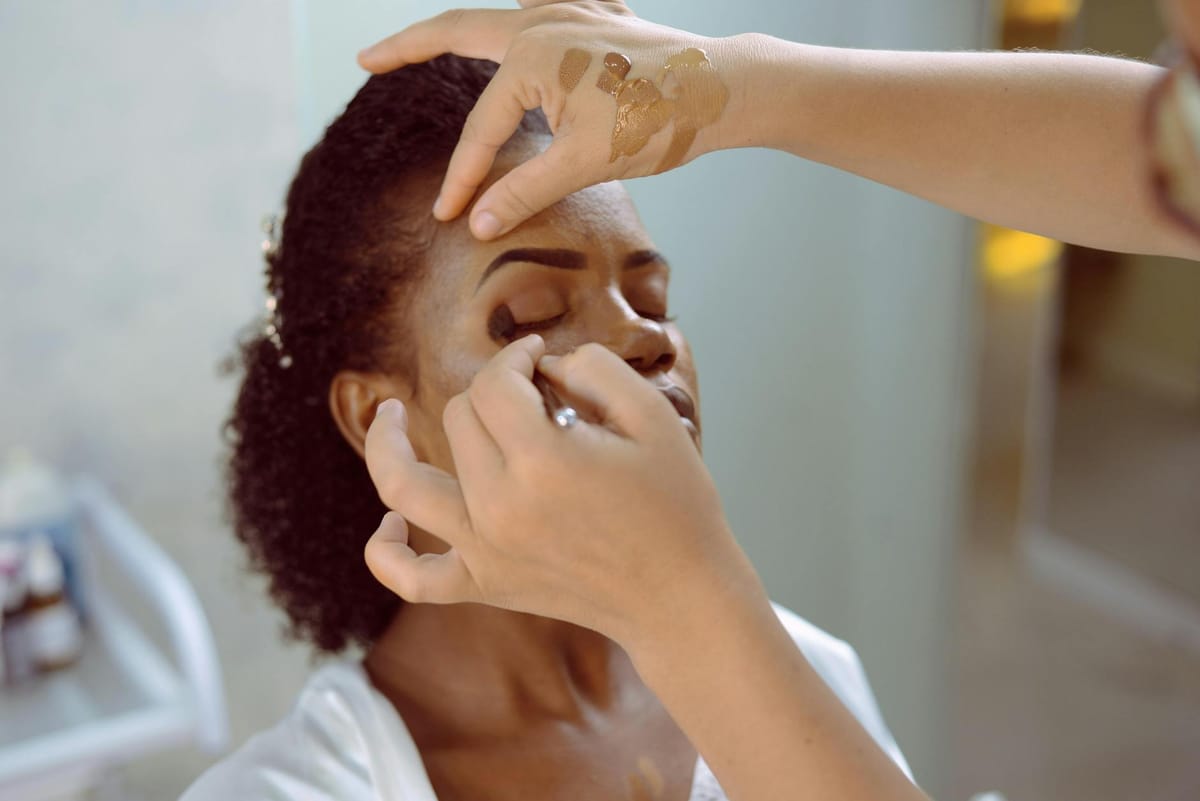
Serum foundation benefits go beyond a dewy finish — these hybrid formulas combine pigment with active skincare ingredients like hyaluronic acid, peptides, and antioxidants to treat your skin while covering it. They deliver light-to-medium coverage in a formula thin enough to feel weightless, making them a genuinely different category than traditional foundation. If your current foundation is sitting in fine lines, emphasizing dry patches, or feeling heavy by noon, a serum foundation might solve the problem.
The category has exploded in recent years, with options spanning the drugstore tier all the way to luxury counters. But "serum foundation" is also a loosely regulated marketing term — some products fully deliver on the skincare promise, others are just thin foundations with a couple of trendy ingredients. This guide cuts through the noise, compares the best options on the market, and tells you exactly who should and shouldn't bother making the switch.
Contents
- Clinique Even Better Clinical Serum Foundation
- Neutrogena Healthy Skin Serum Foundation
- Danessa Myricks Yummy Skin Serum Foundation
- L'Oréal Paris True Match Hyaluronic Tinted Serum
- Armani Beauty Luminous Silk Glow Flawless Serum Foundation
- The Ordinary Serum Foundation
- IT Cosmetics Your Skin But Better Serum Foundation
- Serum Foundation vs Regular Foundation
- Watch This First
- What Real People Are Saying
- How We Chose These Serum Foundations
- Frequently Asked Questions
- The Bottom Line
Clinique Even Better Clinical Serum Foundation
Clinique's Even Better Clinical Serum Foundation is arguably the gold standard for what a serum foundation should be. It sits firmly in the mid-to-luxury tier at around $46 for 1 oz, and it earns that price point in ways that cheaper alternatives simply don't.
The formula is built around a high concentration of hyaluronic acid alongside kojic acid and salicin — ingredients that actively work to even skin tone over time, not just in the moment. Clinique claims (based on manufacturer-provided data) that with consistent use, skin looks more even-toned within four weeks. The coverage lands squarely at light-to-medium, buildable with a second layer if needed, with a natural satin finish that reads as "your skin but genuinely better."
Product claims are based on manufacturer-provided data and published studies where available. Always patch-test new products and consult a dermatologist if you have sensitive or reactive skin.
What sets this apart from other serum foundations is the clinical-grade brightening complex. Kojic acid is a legitimate skin brightener derived from fungi, not a filler ingredient — its inclusion in a foundation-level product is unusual and valuable. The shade range is expansive at 56 shades, one of the broadest in the serum foundation category, and the undertone accuracy is excellent.
It's ophthalmologist-tested and fragrance-free, which matters more than most brands admit. Fragrance in foundation is a common irritant, especially around the eyes. Clinique's decision to leave it out is a real formulation choice, not a marketing afterthought. The brand is also cruelty-free.
Pros
- Genuine skin-brightening ingredients, not just marketing language
- 56 shades with excellent undertone range
- Fragrance-free and ophthalmologist-tested
- Buildable coverage without looking cakey
- Cruelty-free
Cons
- $46 is a real investment for a foundation
- Hyaluronic acid effect can feel inadequate for very dry skin in winter without a moisturizer underneath
- Finish leans more satin than dewy — not ideal if you want high luminosity
Who It's For
Anyone dealing with hyperpigmentation, uneven tone, or dark spots who wants their foundation to pull double duty. Also a strong pick for combination skin types who want coverage without the foundation sliding by 2 p.m. People with oily skin should set it with a light translucent powder.
Neutrogena Healthy Skin Serum Foundation
At the drugstore end of the spectrum, Neutrogena's Healthy Skin Serum Foundation punches above its weight. It retails around $16, making it one of the most accessible lightweight serum foundation options available, and it's genuinely worth buying.
According to Neutrogena's own product research, serum foundations address skin needs both instantly and over time — and their formula backs that up with retinol, vitamins C and E, and SPF 20. That combination is unusual for a drugstore price point. Retinol in a foundation is still a relatively novel concept: you're getting mild cell-turnover support while wearing your coverage, which adds up over time.
The coverage is on the lighter side of medium — it evens out redness and minor discoloration but won't fully mask acne scarring or prominent hyperpigmentation without a concealer assist. The finish is luminous without being greasy, which makes it a solid choice for dry skin. The formula is also dermatologist-tested.
The shade range is more limited than Clinique's — around 20 shades — which is a real gap for deeper skin tones. That's a meaningful drawback and worth knowing before you head to the drugstore shelf.
Pros
- Retinol, vitamin C, and SPF 20 in one formula — genuinely impressive at $16
- Luminous finish flatters dry skin
- Dermatologist-tested
- Easy to find at CVS, Target, and Walmart
Cons
- Shade range limited to around 20 options
- Not cruelty-free (Neutrogena's parent company tests on animals where required by law)
- SPF 20 is not sufficient as your only sun protection
- Light-coverage formula may not satisfy anyone needing real concealment
Who It's For
Budget-conscious shoppers with dry or normal skin who want a hydrating foundation with genuine anti-aging ingredients baked in. A great starter serum foundation if you're not sure the category is right for you yet.
Danessa Myricks Yummy Skin Serum Foundation
The Danessa Myricks Yummy Skin Serum Foundation has developed a cult following for a specific reason: it looks more like skin than any other product in this category. Priced around $38, it sits in the mid-range tier and positions itself as a genuine skin-care foundation that happens to blur imperfections rather than mask them.
Key ingredients include squalane, sodium hyaluronate (the smaller-molecule form of hyaluronic acid that penetrates more effectively), and niacinamide — a trio that works in concert to hydrate, plump, and calm the skin barrier. The finish is somewhere between dewy and blurred: it reflects light in a way that softens texture without adding obvious shimmer.
Coverage is genuinely light. This is not a product for anyone who needs real concealment — it's for people with relatively even skin who want a perfected, effortless look. Think "I just have great skin" rather than "I'm wearing foundation." That's its greatest strength and its main limitation simultaneously.
What no other pick in this article offers: the Yummy Skin formula includes adaptogenic mushroom extract, which is marketed for its anti-inflammatory and skin-calming properties. Whether you're sold on adaptogens or not, the formula's overall effect on sensitized skin is noticeably gentle. In r/MakeupAddiction, one user specifically mentioned falling into trying the Yummy Skin Serum after their old foundation stopped working for them — and staying with it. Cruelty-free and vegan.
Pros
- Most skin-like finish of any pick in this list
- Squalane and niacinamide address dryness and redness simultaneously
- Cruelty-free and vegan
- Adaptogenic mushroom extract for skin-calming effect — unique in this roundup
- Works beautifully for mature skin that traditional foundations settle into
Cons
- Very light coverage — almost a skin tint in execution
- Not ideal for oily skin without setting powder
- Shade range, while thoughtful, is not as expansive as Clinique's
Who It's For
People with dry, normal, or mature skin who prioritize a natural, skin-like appearance over coverage. Also excellent for sensitive skin types due to the anti-inflammatory ingredients. Not a match for anyone who needs to cover significant discoloration, active breakouts, or scarring.
L'Oréal Paris True Match Hyaluronic Tinted Serum
The L'Oréal Paris True Match Hyaluronic Tinted Serum is the most honest name in this category: it says tinted serum, not foundation, and that's exactly what it is. At around $18, it's a drugstore-tier product with a genuinely strong formula — 1.5% hyaluronic acid, which is a meaningful concentration for a complexion product, not a trace amount added for label appeal.
The coverage is very light, closer to a sheer skin tint than a traditional foundation. It's the kind of product you reach for on days when your skin is behaving and you just want a little help — not on days when you need coverage. The finish is luminous and fresh, which translates beautifully on dry or dehydrated skin. On oily skin without primer and setting powder, it can migrate.
According to L'Oréal Paris, serum foundations are particularly beneficial for mature skin due to their hydrating properties — and this formula exemplifies that. The plumping effect from hyaluronic acid is visible immediately after application on dry or dehydrated skin. It doesn't fill in fine lines perfectly, but it doesn't settle into them either, which is a significant win.
Cruelty-free status varies by market — verify on the brand site for your region. The shade range includes around 25 shades, which is adequate but not exceptional.
Pros
- 1.5% hyaluronic acid — a meaningful, functional concentration
- Luminous finish flatters dry, dehydrated, and mature skin
- Under $20 — lowest price-per-benefit in this roundup
- Lightweight enough to layer over a full skincare routine without pilling
Cons
- Very sheer coverage — not suitable for anyone needing more than skin-evening effect
- Migrates on oily skin without proper base prep
- Cruelty-free status varies by market
Who It's For
Minimalists who want the dewy, hydrated look of a serum foundation without spending much. People new to the category who want a low-commitment entry point. Also a strong pick as a blending medium to sheers out a heavier foundation on no-makeup days.
Armani Beauty Luminous Silk Glow Flawless Serum Foundation
Armani Beauty's Luminous Silk Glow Flawless Serum Foundation sits at the luxury tier — around $72 — and it earns the price tag through a formula that genuinely feels different from anything at a lower price point. This is the product people describe as "I forgot I was wearing foundation."
Key ingredients include micro-fil technology (Armani's proprietary blur complex), hyaluronic acid, and glycerin. The finish is luminous silk — literally — a term that sounds marketing-ish but accurately describes the way light interacts with this formula. It's not glittery or sparkly; it's the kind of luminosity that reads as healthy, rested skin at any age.
Coverage is light to medium and buildable. Unlike most serum foundations, this one responds well to layering — a second pass over problem areas adds coverage without the formula balling up or looking patchy. The wear time is strong for the category: 8 hours is realistic without a setting powder, which is genuinely uncommon for a hydrating foundation formula.
What makes this pick unique in this roundup: the Micro-Fil blur complex is designed specifically to fill in fine lines and textured areas optically, without a mattifying effect. Most blur-focused foundations accomplish this through silicones that eventually look cakey — Armani's formula avoids that trap. The brand is cruelty-free. Shade range spans 40 shades.
Pros
- Genuine 8-hour wear for a serum foundation — exceptional longevity in this category
- Micro-Fil blur complex softens texture without a mattifying or cakey effect
- Buildable to medium coverage, unusual for this formula type
- Cruelty-free
- 40-shade range with well-calibrated undertones
Cons
- $72 is a significant spend
- Oily skin types still need a setting product for longevity
- Not vegan (verify on brand site)
Who It's For
Mature skin, special occasions, or anyone who has tried every other foundation and found them all lacking. Also the right pick for people whose skin has genuine texture concerns — the blur effect is more sophisticated than drugstore alternatives. If budget allows for one luxury complexion product, this is a strong argument for spending it here.
| Feature | Serum Foundation | Regular Foundation |
|---|---|---|
| Texture | Water-light, fluid | Cream to liquid, heavier |
| Coverage | Light to medium | Medium to full |
| Key Ingredients | Hyaluronic acid, peptides, antioxidants | Film-formers, pigments, silicones |
| Finish | Dewy to satin | Matte to satin (variety) |
| Wear Time | 4–12 hours (varies widely) | 6–16 hours |
| Best For | Dry, mature, skin-care-focused users | Oily skin, high-coverage needs |
| Price Range | $8–$72 | $6–$80+ |
| Pore-Clogging Risk | Lower (lighter formulas) | Higher (heavier pigment load) |
The Ordinary Serum Foundation
The Ordinary Serum Foundation has a complicated history. The original formula was discontinued after the brand determined the makeup line wasn't commercially viable enough to justify production costs. As noted in a widely-discussed brand announcement, the formulation cost relative to consumer demand simply didn't add up. But the product has since been re-released, and it's worth revisiting with fresh eyes.
The formula is remarkably minimal: water, a small amount of pigment, and a base that creates one of the most water-like textures in this category. As an in-depth comparison review notes, the Serum Foundation is almost water-like in consistency, with light-to-medium coverage and a finish that reads more radiant than their Coverage Foundation alternative. At under $10 (around £6.40 in the UK, with US pricing in a similar drugstore range), it's the most affordable way to try the serum foundation format.
The active ingredients are relatively sparse compared to other picks on this list — no retinol, no niacinamide, no SPF. It's more "lightweight tinted serum" than "active skincare foundation." What it does deliver is exceptional blendability and a genuinely skin-like finish that outperforms its price point in terms of appearance.
Cruelty-free and vegan. Shade range is limited — verify current availability on the brand site, as the re-release shade offerings have shifted.
Pros
- Most affordable entry point in this roundup — under $10
- Water-like texture sits beautifully on skin without any heaviness
- Cruelty-free and vegan
- Finish is radiant and genuinely skin-like at the price
Cons
- Minimal active skincare ingredients compared to other picks
- No SPF
- Shade range limited and occasionally inconsistent due to re-release history
- Not buildable to medium-heavy coverage
Who It's For
Skincare minimalists on a tight budget who want to try the serum foundation format before committing to a higher price point. Also useful as a mixing medium — blended with a drop of facial oil or a stronger concealer, it creates a custom, skin-like base. People with normal to dry skin will get the most mileage out of it.
IT Cosmetics Your Skin But Better Serum Foundation

IT Cosmetics' Your Skin But Better Serum Foundation stakes its identity on a specific promise: 16-hour wear with skincare ingredients. At around $40, it positions itself as the solution for people who love the concept of a lightweight serum foundation but can't live with the typical 5-6 hour longevity most formulas offer.
The ingredient list includes hyaluronic acid, collagen, peptides, and ceramides — a comprehensive roster that covers hydration, skin barrier support, and plumping. The coverage is light to medium, with a finish that leans toward natural-luminous without being overtly dewy. It layers well without pilling, which is a real technical achievement given how many active ingredients are packed into the formula.
What makes this pick stand out in this roundup is its wear claim. Most hydrating serum foundations sacrifice longevity for luminosity — the very ingredients that make them feel good also tend to migrate. IT Cosmetics' formula uses a polymer network that locks the finish in place without switching the texture to matte. Whether you actually hit 16 hours will depend heavily on your skin type and climate, but 10-12 hours is realistic for combination skin without setting powder.
Cruelty-free status: verify on brand site, as IT Cosmetics' status has changed since its acquisition. The shade range covers around 40 options with good undertone diversity.
Pros
- Longest claimed wear time in this roundup — 16 hours
- Ceramides and peptides for genuine barrier-repair support
- Layers without pilling or balling up
- Natural-luminous finish works across dry, normal, and combination skin
- 40-shade range
Cons
- Longevity claims may be optimistic depending on skin type and climate
- Cruelty-free status: verify on brand site before purchasing
- Not ideal for very oily skin without primer
Who It's For
People who need their foundation to last through a full workday without touch-ups. Also a strong pick for anyone who has dismissed serum foundations as "too short-lived" — the wear-time technology here addresses that objection directly. Normal to combination skin types will see the best results.
Serum Foundation vs Regular Foundation, a Direct Comparison
The core difference between a serum foundation and a regular foundation comes down to formulation priority. Traditional foundations are built around coverage first — the pigment load is higher, the film-formers are heavier, and the texture is designed to stay put on the skin's surface. A serum foundation inverts that hierarchy: the base formula starts as a serum (water-light, often high in humectants), and coverage is added secondarily.
As a detailed comparison on Curated Sense explains, regular foundations often accentuate dry patches because the pigments sit on top of flaky skin and emphasize texture — a problem serum foundations largely sidestep by hydrating the skin surface as they go on. That's the practical difference you'll notice in the mirror on a dry skin day.
The serum foundation category isn't a universal upgrade — it's a targeted solution. If you have oily skin and need full coverage that lasts through a humid summer, a traditional long-wear foundation is still the right tool. If you have dry or mature skin, or if you've been doubling up on a serum and then applying foundation on top of it every morning, a serum foundation consolidates two steps and genuinely improves your result. That's the practical value proposition.
One thing worth understanding: serum foundations are not buildable to full coverage in the way regular foundations are. Attempting to layer too many coats usually results in a patchy, uneven finish — the formula isn't designed for it. As noted by Allure's roundup on serum foundations, these products offer more pigment than skin tints but should still be approached more like a traditional foundation — one or two layers maximum, blended immediately.
Watch This First
Watch: the Jackie Alves YouTube channel on applying serum foundation for mature and dry skin →
The Jackie Alves YouTube channel offers a useful hands-on perspective on serum foundation application technique that's worth watching before you buy. One specific insight worth taking away: serum foundations perform noticeably better when applied with a fluffy, loosely-bristled brush rather than a dense foundation brush. The lighter tool allows the formula to disperse evenly without dragging — which matters with a water-light texture that can move unpredictably under heavy pressure. A dense brush or heavy sponge can actually push the pigment around and create patchiness rather than coverage.
The channel also makes an honest observation that's easy to overlook in marketing copy: serum foundations typically aren't buildable to full coverage, and they generally don't claim to make fine lines disappear. What they do reliably is avoid making fine lines worse — which is a more modest but genuinely useful thing for a complexion product to accomplish. If your current foundation is settling into lines by midday, switching to a serum formula is likely to fix that specific problem even if it doesn't fix everything.
What Real People Are Saying
Community feedback on serum foundations is refreshingly honest — and consistently skews toward skin type as the deciding factor, not brand loyalty or price point.
In r/30PlusSkinCare, users describe serum foundations as delivering a natural, satin finish once set with powder — the dewy look softens down to something more polished and longer-lasting than leaving the formula bare. The consensus there is that setting with a light translucent powder is non-optional for anyone over 30 who wants the finish to hold through the day without looking shiny or sliding.
In r/SkincareAddicts, the Clinique Even Better Clinical generates consistent discussion. Users there point out that the "serum foundation" label reflects the inclusion of skincare ingredients rather than a dramatically different formula structure — and despite hyaluronic acid being a headline ingredient, the hydration effect is moderate, not transformative, without a proper moisturizer underneath. The advice to prep dry skin with a lightweight moisturizer before applying any serum foundation comes up repeatedly across multiple threads.
In r/Makeup, users actively searching for lightweight serum foundations with actual coverage report frustration — the category is genuinely limited at medium-plus coverage levels. The takeaway from that thread is practical: pair a serum foundation with a full-coverage concealer on problem areas rather than expecting the foundation itself to do heavy lifting.
How We Chose These Serum Foundations
The serum foundation category is crowded with products that use the term loosely. To qualify for this list, a product needed to meet more than a marketing threshold — it had to demonstrate meaningful skincare ingredient inclusion at functional concentrations, not trace amounts added for label appeal.
The evaluation criteria used to build this roundup:
- Ingredient quality: Active ingredients assessed by type and concentration. A product listing hyaluronic acid as the 20th ingredient didn't qualify. Priority given to formulas where skincare ingredients appear in the first half of the INCI list.
- Skin type suitability range: Products were assessed across dry, oily, combination, sensitive, and mature skin types. Picks that only work for one skin type were deprioritized unless they were exceptional within that niche.
- Coverage accuracy: Marketing claims versus real-world finish assessed through community feedback, creator reviews, and independent comparison sources. Products claiming "full coverage" that delivered sheer results were excluded.
- Shade range inclusivity: A minimum of 20 shades was considered baseline. Picks with broader ranges, particularly those with thoughtful deep and cool undertone options, were ranked more favorably.
- Price-to-performance ratio: Each pick was evaluated within its tier — drugstore picks against drugstore competitors, luxury picks against luxury alternatives. A $72 foundation has to outperform a $20 one in meaningful ways to justify the cost difference.
- Cruelty-free and vegan status: Noted for all picks. Brands that are cruelty-free were flagged; those where status is unclear or market-dependent were noted as "verify on brand site."
Products excluded from this list: pure skin tints with no real pigment load (they're a separate category), BB and CC creams (hybrid products with SPF as their primary function rather than skincare actives), and foundations that use "serum" purely as a texture descriptor without any functional skincare ingredient inclusion.
The goal was a list that genuinely helps you pick the right product for your specific skin, not a list that aggregates every product with "serum" in the name.
Frequently Asked Questions
What is the real difference between a serum foundation and a regular liquid foundation?
A serum foundation starts with a serum-like base formula — high in water and humectants like hyaluronic acid — with pigment added secondarily. A regular liquid foundation prioritizes pigment and film-formers, with hydration as a secondary concern if included at all. The practical result: serum foundations feel lighter on skin, sit better on dry or textured skin, and typically deliver light-to-medium coverage. Regular foundations offer more coverage flexibility and generally last longer without touch-ups.
Is a serum foundation actually better than a regular foundation for dry skin?
For dry skin specifically, yes — a hydrating serum foundation is almost always a better daily choice than a traditional liquid foundation. Regular foundations often accentuate dry patches because the pigments sit on the skin's surface and make flaking visible. Serum foundations hydrate as they apply, which reduces that problem significantly. That said, you still need a moisturizer underneath — the serum foundation's hydration effect supplements your skincare routine, it doesn't replace it.
Can people with oily skin use a serum foundation without it sliding off?
Yes, but prep and setting matter more for oily skin than any other type. Start with a mattifying or pore-minimizing primer, use a light hand with the serum foundation, and always set with a translucent or mattifying powder. Without those steps, a hydrating serum foundation on oily skin will migrate within a few hours. Some formulas — like IT Cosmetics' Your Skin But Better — hold better than others on oily skin due to their polymer wear technology, but no serum foundation is a natural fit for high-sebum skin types.
Why did The Ordinary discontinue their Serum Foundation, and is the re-release worth buying?
The Ordinary discontinued their original makeup line, including the Serum Foundation, because the product range hadn't generated enough commercial traction to justify the production costs — a candid admission from the brand. The formula was widely praised for its water-like texture and radiant finish at an unusually low price point. The re-release maintains the core formula and is worth trying, especially at its price. The main caveats are a limited shade range and minimal active skincare ingredients compared to competitors.
How should a serum foundation be applied for the best finish?
Apply to skin that's been moisturized but not overly slick — too much product underneath causes pilling. Use a fluffy, loosely-bristled brush or a damp beauty sponge rather than a dense foundation brush, which can drag the light formula and create patchiness. Work in sections, blending as you go. One to two thin layers is the maximum — serum foundations aren't designed for heavy building. Set with a light translucent powder if you want longevity and a slightly more polished finish.
At what age should someone switch from a regular foundation to a serum foundation?
There's no age cutoff, but most makeup artists suggest reconsidering your foundation formula when you start noticing it settling into fine lines or looking dry and patchy by midday — which for many people happens in the mid-30s to 40s as skin loses some of its natural moisture retention. Mature skin benefits meaningfully from the hydrating, skin-plumping ingredients in serum foundations. That said, skin type matters more than age — a 25-year-old with very dry skin may benefit just as much as a 45-year-old with the same concern.
What is the difference between a serum foundation and a tinted serum?
Coverage and pigment load. A tinted serum is primarily a serum with a wash of color — enough to even out skin tone on a great skin day but not enough to function as a real foundation. A serum foundation has a higher pigment concentration, intended to provide genuine light-to-medium coverage while maintaining the serum-like texture. As noted in coverage comparisons, serum foundations should be approached more like traditional foundations in terms of application and expectations — they're not glorified tinted moisturizers.
The Bottom Line
The best serum foundation for most people is the Clinique Even Better Clinical Serum Foundation. It combines one of the broadest shade ranges in the category with genuine brightening ingredients, a fragrance-free formula, and a satin finish that flatters most skin types without requiring constant touch-ups. At $46, it's a real investment — but it consistently outperforms the category benchmark for what a skin-care foundation should do.
If budget is the deciding factor, the L'Oréal Paris True Match Hyaluronic Tinted Serum delivers strong hydration and a luminous finish for under $20. For luxury results, the Armani Beauty Luminous Silk Glow Flawless Serum Foundation is worth every dollar of its $72 price tag for mature or textured skin. And if you're brand new to the category and not ready to commit, The Ordinary Serum Foundation costs less than a lunch out and will tell you quickly whether the format works for your skin.
The bottom line: serum foundation benefits are real, but they're not universal. Dry, dehydrated, mature, and skin-care-focused people will find this category genuinely useful. Oily skin types and anyone needing serious coverage should stick with traditional formulas — or use a serum foundation strategically on low-coverage days and keep a full-coverage option for when it's needed.
About the Author
Written by Zara Voss
Zara Voss is a beauty editor and makeup artist who has tested hundreds of products across luxury and drugstore ranges. She covers cosmetics, hair care, and fragrance with a focus on real-world wearability and value. Based in Los Angeles, she writes for beauty enthusiasts who want honest, unsponsored reviews.
Disclaimer: This article is for informational purposes only. Shade availability, product formulas, and pricing may vary by retailer. Always check current listings before purchasing.
Last updated: May 10, 2026 · glowi.today