
Niacinamide Serum Benefits: What It Really Does for Pores, Oil and Redness
Niacinamide serum benefits explained: how it supports your barrier, softens pores, balances oil and calms redness, plus how to use it.
 Lena MarshNov 4, 2026 · 14 min read
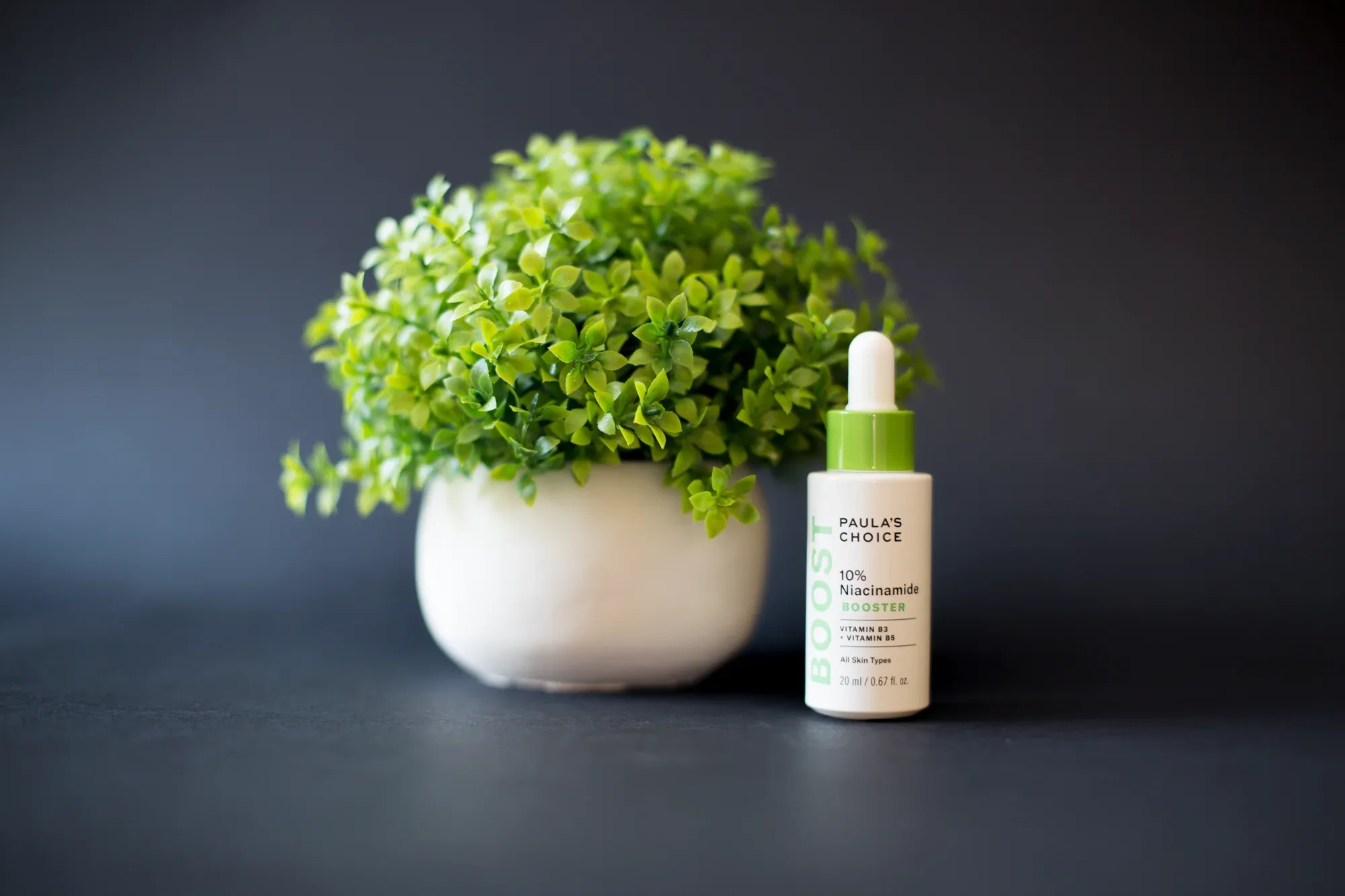
Niacinamide serum benefits come down to a short, well-tolerated list: it helps support a healthy skin barrier, makes the look of pores and uneven texture less noticeable, and helps calm the look of redness and excess shine. It is a form of vitamin B3 that most skin types handle comfortably, which is why it shows up in so many routines.
This guide explains what the ingredient actually does, who tends to like it most, how to layer it, and where the evidence is still thin, so you can decide whether a bottle belongs on your shelf.
What Niacinamide Is (and What It Is Not)
Niacinamide, also called nicotinamide, is a water-soluble form of vitamin B3. Your body uses it every day, and it can also be applied directly to skin in a serum, moisturizer, or cleanser. A review of its mechanisms of action and topical use in dermatology describes it as a well-tolerated and safe substance often used in cosmetics, with a growing body of clinical data for its use in various skin conditions.
It helps to separate it from two ingredients it is often confused with:
- Niacin. This is another form of vitamin B3, and it is the one linked to the warm, flushed feeling some people get from supplements. Niacinamide is a different molecule and does not usually cause that reaction when applied to the skin.
- Retinol and exfoliating acids. Niacinamide is not an exfoliant and is not a retinoid. It does not work by speeding up shedding, so it tends to feel gentler than those actives.
Because it is a supporting, multitasking ingredient rather than a single-purpose treatment, the best way to think about it is as a steady helper: it rarely transforms skin overnight, but it tends to make a routine feel more balanced over time.
The Main Niacinamide Serum Benefits
Brands and clinics describe a fairly consistent set of benefits. Here is each one in plain language, along with how much weight to put on it.
It Helps Support the Skin Barrier
Your skin barrier is the outermost layer that keeps moisture in and irritants out. When it is compromised, skin can feel tight, stingy, or reactive. Niacinamide is widely described as a barrier-supporting ingredient, and the studies summarized below point in the same direction. If your skin often feels dry or easily irritated, this is the benefit most likely to matter to you, and it pairs naturally with a simple moisturizer like the ones discussed in our guide to hyaluronic acid serum benefits.
It Makes Pores Look Smaller
Pore size is largely set by genetics, skin thickness, and oil production, so no serum can permanently shrink pores. What niacinamide can do is improve the look of texture around them. Several brand guides describe smoother-looking skin and less noticeable pores with regular use, which is a cosmetic effect rather than a structural change. Think of it as softer focus rather than a smaller opening.
It Helps Balance Oil
People with oily or combination skin often reach for niacinamide because it is described as helping regulate oil production. The practical result many users report is less midday shine and a more matte-looking finish, without the tight, stripped feeling that harsh cleansers can cause. Results vary from person to person, and hormones, climate, and the rest of your routine all play a role.
It Helps Calm the Look of Redness
Cleveland Clinic notes that niacinamide has been shown to ease inflammation, which can help calm redness associated with conditions such as acne, rosacea, and eczema. That is a meaningful reason it often appears in products for reactive skin. It does not replace medical care for those conditions, but it can be a gentle addition alongside treatment from your dermatologist.
It Can Help Even Skin Tone
Niacinamide is often used to help fade the look of dark spots and uneven tone, and this is the claim where the evidence needs the most care. A controlled study of niacinamide and pigmentation is more relevant here than the blended-serum pilot discussed below, but results still depend on the specific formula, the people studied, and the length of use (about four weeks in the work we reference). The one pilot trial of a serum that mixed niacinamide with other ingredients found no statistically significant change in melanin values from start to finish, so it gives no support for a brightening effect on its own. Expect gradual, subtle improvement at best, and no guarantee for any one product.
It May Soften the Look of Fine Lines
You will often see niacinamide listed among ingredients that help smooth the look of fine lines and wrinkles. This is usually an indirect benefit: skin that is better hydrated, calmer, and more even simply looks smoother. If anti-aging is your main goal, niacinamide works best as part of a broader plan, like the one in our skincare routine for mature skin.
It Can Support Acne-Prone Skin
Niacinamide is commonly included in routines for blemish-prone skin because it addresses several things at once: oil, redness, and the marks left behind after breakouts. It is a supporting player, not a standalone acne treatment. Persistent or hormonally driven breakouts deserve a professional opinion, and our overview of hormonal acne treatment explains what expert-backed options look like.
Who Is Most Likely to Like It
Because niacinamide is gentle and flexible, it suits a wide range of people, though some will notice more than others.
- Oily and combination skin: for shine control and a smoother look.
- Dry or compromised skin: for barrier support, especially when paired with a rich moisturizer.
- Redness-prone skin: for its calming reputation.
- Dullness or uneven tone: for gradual brightening.
- Beginners: it is a forgiving first active, with a lower chance of the dryness and peeling that retinoids and acids can bring.
If you know you are allergic to niacinamide or to any other ingredient in a formula, skip that product entirely. If you have very sensitive skin or an active skin condition, ask a professional before starting. If you have no known allergies and your skin usually tolerates new products, introduce it slowly.
How to Choose a Niacinamide Serum
Not every bottle is built the same, and a higher number on the label is not always better. Here is what to look at before you buy.
Concentration
Serums on the market commonly list concentrations such as 5%, 10%, or 12%. Mainstream brands often pair niacinamide with zinc, a combination positioned for oil and blemish concerns. A mid-range percentage is a sensible place to start; going higher does not guarantee better results and can feel more irritating on sensitive skin. If you are new to the ingredient, begin lower and work up only if your skin stays comfortable.
Texture and Supporting Ingredients
Lightweight gels suit oily skin, while creamier serums with glycerin, ceramides, or panthenol suit dry skin. The randomized trial mentioned above studied a serum that combined niacinamide with postbiotics and peptides, which shows how common blended formulas are. Blends can be wonderful, but they make it harder to know which ingredient is doing what, so a simpler formula can be useful when you are testing your skin's response.
Packaging and Fragrance
Choose an opaque or dark dropper or pump when possible, and look for fragrance-free formulas if your skin is reactive. Good packaging helps keep a formula stable, and fewer added extras means fewer potential irritants.
Budget
Niacinamide is one of the more affordable actives, with credible options at both drugstore and prestige price points. Check current listings for pricing. You do not need to spend much to get a well-formulated bottle, so be wary of any brand that implies a high price guarantees better results.
How to Use Niacinamide Serum in Your Routine
The routine itself is simple. The main decisions are when to apply it and what to layer around it.
When to Apply
Most people use it once or twice a day. It can go in the morning, the evening, or both, since it is not an exfoliant. A common order is:
- Gentle cleanser on clean skin.
- Niacinamide serum, applied to slightly damp or dry skin.
- Moisturizer to seal everything in.
- Broad-spectrum sunscreen in the morning.
Sunscreen deserves a special mention: if you are using niacinamide to even out tone, daily sun protection is what keeps dark spots from deepening again.
Starting Slowly
Start with a few evenings a week, then build to daily use as your skin adjusts. A pea-sized to dime-sized amount covers the face. Before applying it all over, test the product on a small area of skin, following the product directions. The American Academy of Dermatology suggests testing a new product on a small area twice a day for 7 to 10 days (see its guide to testing skin care products). A home test like this is not the same as diagnostic patch testing done by a dermatologist, and it cannot rule out every reaction.
Layering With Other Ingredients
Niacinamide is generally considered a good team player. Here is how it tends to fit with other popular actives:
| Pairing | How it usually works | Tip |
|---|---|---|
| Hyaluronic acid | A comfortable, hydrating match | Apply hyaluronic acid first on damp skin, then niacinamide, then moisturizer |
| Retinol or retinal | Often combined to balance oil and visible texture; some people find niacinamide makes retinoids easier to tolerate | Introduce one at a time and use retinoids at night |
| Vitamin C | Commonly used in the same routine | If your skin tolerates both, you can use them in the same routine or at different times of day. If a product causes stinging, redness, or itching, stop using it and see the FAQ below |
| Exfoliating acids (AHA/BHA) | Niacinamide may help soften the dryness they can cause | Avoid stacking too many actives in one session |
| Sunscreen and moisturizer | Fits naturally under both | Let each layer settle for a minute |
If you see stinging, a flushed look, or new bumps after combining products, stop the newest product and rinse it off. Niacinamide itself can be the cause, so do not assume it is safe to keep using. If the reaction is obvious or does not go away, see a board-certified dermatologist before reintroducing anything.
Side Effects and Precautions
Niacinamide is among the better-tolerated skincare ingredients, but "well tolerated" does not mean "reaction-proof." Some people notice mild redness, itching, tingling, or a flushed look, especially with higher concentrations or when skin is already irritated. Occasional clogged-feeling skin or small bumps can also be related to other ingredients in the formula rather than niacinamide itself.
If you experience discomfort:
- Stop using the product and gently rinse it off. Niacinamide products themselves can cause reactions, so do not assume the ingredient is harmless for you.
- Do not retry the same product on your own if you suspect an allergic reaction. See a dermatologist first, and check the full ingredient list for fragrance, essential oils, or other known triggers.
- See a board-certified dermatologist promptly if the reaction is obvious, spreads, or does not go away.
Pregnant or nursing, or managing a skin condition such as rosacea, eczema, or cystic acne? Check with your clinician before adding a new active, even a gentle one.
What Results to Expect (and When)
Patience matters here. Many brand guides suggest evaluating a new serum after roughly a month or more of consistent use, since skin renews itself over weeks rather than days. Early on, the effects you notice are usually the softer ones: skin that feels smoother and more comfortable, and less shine by late afternoon. Changes in tone and texture tend to take longer to show.
Take a clear photo in consistent lighting before you start. It is surprisingly easy to forget how your skin looked a month earlier, and a comparison is more reliable than memory.
Common Mistakes to Avoid
Most disappointing experiences with niacinamide come from a handful of avoidable habits rather than from the ingredient itself.
- Starting with the highest percentage. More is not automatically better, and a strong formula can bring on flushing or tingling in skin that is not used to it.
- Changing everything at once. If you add a serum, a new cleanser, and a new moisturizer in the same week, you will not know which one helped or which one irritated you.
- Skipping moisturizer. Even oily skin needs hydration. Niacinamide works best when it sits under a moisturizer that keeps the barrier comfortable.
- Judging too early. Switching products after ten days means you never give the ingredient a fair trial.
- Forgetting sunscreen. Without daily sun protection, any gains in tone and clarity are easy to undo.
How to Read the Label
On an ingredient list, look for "niacinamide" or "nicotinamide"; both refer to the same molecule. In general, ingredients are listed in descending order of amount, but the U.S. FDA notes that ingredients present at 1% or less may be listed in any order after those above 1%, and color additives have their own exception (see the FDA labeling summary). That means a list position cannot tell you the exact niacinamide percentage or how well a formula will work. The percentage on the front of the box is a more useful clue, but it does not tell you whether the rest of the formula is gentle.
It also helps to check the supporting cast. Glycerin, panthenol, and ceramides point toward comfort and hydration, while zinc is usually included for oil and blemish concerns. Alcohol-heavy or strongly scented formulas may feel pleasant at first but can irritate reactive skin. If a label promises dramatic overnight change, treat it with skepticism; the research supports gradual, modest improvement.
Niacinamide Compared With Other Popular Actives
Choosing between actives is easier when you know what each is best at.
- Niacinamide: a gentle all-rounder for barrier, oil, redness, and tone.
- Hyaluronic acid: pure hydration, with no direct effect on oil or tone.
- Vitamin C: an antioxidant with a brightening reputation, but it can be less stable and more irritating for some skin.
- Retinoids: the heavy hitters for texture and fine lines, with a longer adjustment period and more potential for dryness.
- Exfoliating acids: useful for dullness and congestion, but best used in moderation.
If you can only afford one new step this season and your main goals are balance and comfort, niacinamide is a low-risk place to start.
What the Research Says
The evidence for niacinamide is encouraging but uneven, and the sources are different kinds of evidence, so it helps to know which is which:
- A review. Niacinamide - mechanisms of action and its topical use in dermatology summarizes how the molecule works. It describes niacinamide as well tolerated and safe, and notes that clinical data on its use in various skin conditions can increasingly be found in the literature. A review summarizes other work; it is not a new test of any one product.
- A small pilot study of a blended serum. A randomized pilot study tested a cosmetic serum containing niacinamide, postbiotics and peptides in healthy participants. In that study, melanin values showed no statistically significant change from start to finish, and sebum showed no significant difference between groups (sebum could still shift over time within either group). Because the serum was a mixture and the study was a pilot, it cannot show what niacinamide does by itself, and it should not be read as support for brightening or oil control.
- Controlled studies on pigmentation and sebum. A controlled study on pigmentation and a study of a 2% niacinamide moisturizer and sebum are the more direct places to look. Both tested specific products over a limited time in limited groups, with outcomes that differed between study groups, so they do not promise the same result from every serum or a universal oil-regulating effect.
- A clinical information page. Cleveland Clinic's overview of niacinamide describes benefits for redness and inflammation. It is educational, not a trial.
Two cautions follow. First, studies use different formulas, concentrations and time frames, and a higher concentration has not been shown to work better. Second, what you see on your own skin depends on the formula and on you. In short: niacinamide has a credible track record and a good safety profile, so it is reasonable to try for cosmetic goals, but it is not a substitute for medical treatment. We have not independently re-run any of these studies; this section reflects how the sources describe themselves.
Frequently Asked Questions
What does niacinamide do for your face?
It helps support the skin barrier, softens the look of pores and uneven texture, helps balance oil, and calms the look of redness. Over time, many people also see a slightly brighter, more even complexion.
Is it okay to use a niacinamide serum every day?
For most people, yes. It is generally gentle enough for daily use, once or twice a day. Start a few times a week if your skin is sensitive, and stop and rinse it off if you notice stinging or flushing. If the reaction is obvious or does not clear up, check with a dermatologist before trying it again.
What not to mix with niacinamide?
There are few true no-go combinations. The more common issue is using too many strong actives together. If your skin tolerates your products, you can use them in the same routine or space them across morning and evening. If you develop stinging, burning, redness, or itching, do not just change the timing: stop the product you added most recently, gently rinse your skin, and do not try it again on your own if an allergy is possible. See a board-certified dermatologist if the reaction is obvious or does not settle.
Which is better, hyaluronic acid or niacinamide?
They do different jobs. Hyaluronic acid attracts and holds water to hydrate, while niacinamide supports the barrier and helps with oil, tone, and redness. Many people use both, and they pair comfortably in the same routine.
How long does it take to see results?
Skin comfort and shine control can show up within a few weeks, while changes in tone and texture usually take longer. Consistent use plus daily sunscreen gives the best chance of visible change.
Can niacinamide help with acne?
It can be a helpful supporting ingredient for oily, blemish-prone skin, particularly for the redness and marks that come with breakouts. It is not a replacement for prescribed acne treatment, so see a dermatologist for persistent or severe acne.
Is niacinamide the same as niacin?
No. Both are forms of vitamin B3, but they behave differently. Niacin can cause a flushing sensation when taken as a supplement, whereas niacinamide generally does not cause that effect.
Your Next Steps
- Pick one simple, fragrance-free serum at a moderate concentration, and test it on a small area of skin for 7 to 10 days, following the product directions, before using it all over.
- Add it after cleansing and before moisturizer, a few evenings a week at first, then daily if your skin stays comfortable, and wear sunscreen every morning.
- Give it four to six weeks, compare against a starting photo, and talk to a board-certified dermatologist if you have persistent breakouts, redness, or any reaction that does not settle.
About the Author
Lena Marsh is a licensed esthetician and clean beauty advocate based in Portland, Oregon. She writes about skincare ingredients, soap chemistry, and family-safe beauty products at Glowi, and her reviews focus on what is actually in the bottle.
Disclaimer: This article is for informational purposes only and is not medical advice. Niacinamide is a cosmetic ingredient and does not diagnose, treat, or cure any skin condition; talk to a board-certified dermatologist about persistent skin concerns, and always test new products on a small area first.
Last updated: November 4, 2026 · glowi.today
Written byLena MarshLicensed esthetician and clean beauty advocate based in Portland, Oregon. Over a decade of hands-on experience in skin wellness and formulation. Writes about skincare ingredients, soap chemistry, and family-safe beauty products at Glowi. Reviews focus on what's actually in the bottle.